Gourmet Tea » Tea Blog » Tea Information » A Complete Guide to High Caffeine Tea

A Complete Guide to High Caffeine Tea
High-caffeine tea refers to tea that contains at least 30 milligrams of caffeine per cup. Teas in this category include medium-oxidized oolongs, Puerh, dark tea, and black tea.
Tea drinkers and researchers have long debated this topic. Except for certain herbal varieties, all teas contain at least some caffeine. This article explores caffeine levels by tea type and identifies the teas with the highest amounts to help you make informed choices.
Comparison Table: Caffeine Content in Tea
| Tea Type | Caffeine Content (mg per cup) |
|---|---|
| Green Tea | 10–30 mg |
| Yellow Tea | 20–30 mg |
| Oolong Tea | 25–45 mg |
| Dark Tea | 40–70 mg |
| Black Tea | 45–70 mg |
Caffeine Levels in Major Tea Categories
Green Tea
Among the major tea categories, green tea contains the second-lowest amount of caffeine, ranking just above herbal teas. Because producers do not ferment or oxidize green tea, it releases only a small amount of caffeine during production.
Most studies indicate that one cup of green tea contains approximately 10 to 30 milligrams of caffeine. Matcha tends to contain more, while varieties such as Biluochun contain less.
Yellow Tea
Yellow tea ranks as the second-lowest tea category in caffeine content, with approximately 20 to 30 milligrams per cup. Its slight oxidation places its caffeine level between green tea and oolong tea.
Oolong Tea
Caffeine levels in oolong tea depend on the variety. One cup typically contains approximately 25 to 45 milligrams. The different oxidation levels that producers use during production create this range.
Heavily oxidized oolongs such as Rou Gui and Taiwanese Tieguanyin contain more caffeine, while high-mountain oolongs contain less.
Dark Tea
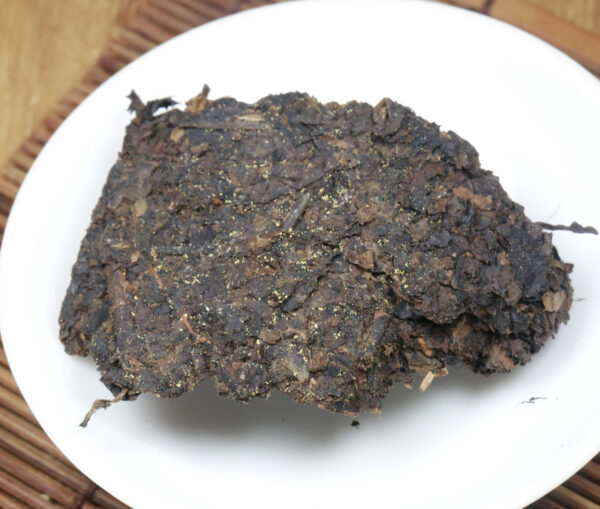
Post-fermented dark teas, including Puerh and Tibetan Fuzhuan cultivars, contain approximately 40 to 70 milligrams of caffeine per cup. Many tea drinkers find these varieties less stimulating than black tea, likely because of the fermentation process.
Black Tea
Full oxidation gives black tea a higher concentration of caffeine. One cup typically contains approximately 45 to 70 milligrams. Some large-leaf varieties, such as Yunnan Sun-Dried Black Tea, reach even higher levels.
Summary
Black tea contains the most caffeine at approximately 45 to 70 milligrams per cup. Dark tea follows at 40 to 70 milligrams, oolong tea at 25 to 45 milligrams, yellow tea at 20 to 30 milligrams, and green tea at 10 to 30 milligrams.
Other Factors
Young buds contain more caffeine than mature leaves. Processing and brewing methods also influence the amount in tea. Fall harvests typically produce tea with more caffeine than spring harvests.
Grinding, brewing, and roasting methods also affect the final caffeine level.
Young Buds and Leaves
Young buds and leaves contain more caffeine than mature leaves.
Grinding and Brewing
Tea bags tend to produce brewed tea with less caffeine. Grinding tea leaves into a powder shortens the required brewing time but increases caffeine density.
Roasting and Brewing Methods Affect Caffeine Levels
Heavier roasting tends to reduce caffeine levels. In contrast, high-temperature water and longer steeping times can significantly increase caffeine concentration.
Cold brewing generally produces tea with less caffeine, although not every tea works well with this method. As a result, cold-brewed tea typically contains less caffeine than hot-brewed tea.
Tea vs. Coffee Caffeine Levels
An average 237-milliliter cup of coffee contains approximately 95 milligrams of caffeine. Espresso, lattes, and cappuccinos contain more caffeine because they use more coffee beans or grounds.
On average, one cup of coffee contains approximately 2.5 times as much caffeine as one cup of tea.
Other Tea Considerations
Black, green, and white teas all come from the same tea tree, but their harvest times and oxidation levels differ. Although companies often market herbal teas as caffeine-free, some varieties can contain up to 12 milligrams per cup.
FAQ: What Tea has the Highest Caffeine?
Large leaf black tea varieties have the highest caffeine levels. These are typically found in Yunnan, China. Such varieties are typically grown from Puerh tea trees, known for large leaves, stems and buds.
Other Thoughts
Most tea drinkers find tea drinking to be a more balanced experience compared to energy drinks or coffee. There are less high and low drops with tea caffeine consumption, which is attributed to the L-theanine component. This is also why tea drinkers experience less “jitters” when consuming the beverage.
Recommended Options
- Yunnan Sun Dried Black Tea
- Osmanthus Black Tea
- Sun Moon Lake Black Tea
- Ripe Puerh Tea
- Wuyi Rock Tea such as Rou Gui or Tieluohan

Alex