Gourmet Tea » Tea Blog » Tea Information » A Complete Guide to Low Acid Tea
A Complete Guide to Low Acid Tea
Low Acid Tea refers to tea with a pH value either near or greater than 7. The least acidic tea is green tea followed by various herbal teas such as chamomile and licorice root.
Below is a chart featuring the different types of tea and their pH level. The higher the level, the least acidic the tea.
A Breakdown of Tea pH Levels & Acidity
| Tea Type | pH Level |
| Green Tea | 7 |
| Chamomile | 6 – 7 |
| Mint (Peppermint/Spearmint) | 6 – 7 |
| Ginger | 6 – 7 |
| Fennel | 6 – 7 |
| Licorice Root | 6 – 7 |
| Dandelion Root | 6 – 7 |
| Nettle | 6 – 7 |
| Lemon Balm | 6 – 7 |
| Linden (Lime Blossom) | 6 – 7 |
| Rooibos | 4.5 – 5.5 |
| Oolong Tea | 5.5 – 7 |
| Black Tea | 4.9 – 5.5 |
| Pu-erh Tea | 4 – 7 |
| Dark Tea | 4 – 7 |
What Tea is the Least Acidic?
The tea with the least amount of acidity is green tea. In general, low acidic tea is correlated with no oxidization or fermentation, which is the case for green tea. Varieties such as Biluochun from Taiwan are known for the highest pH levels due to their high mountain growing environments. Green teas are not subject to oxidization or fermentation. Green tea is considered alkaline if brewed with spring water at low steeping times.
Herbal teas are often thought of as the least acidic, and often have pH levels similar to green tea. However, this depends on the type of herb and how it is blended with other herbs or ingredients. This is why it is difficult to classify herbal teas as simply non acidic.
Oolong Tea
Following green tea is Oolong tea. The least acidic Oolong teas are varieties that have undergone light oxidization followed by medium to heavy Oolongs. The more oxidization as well as firing and roasting, the more acidic a tea becomes. In general, the least acidic Oolongs are high mountain lightly oxidized Oolongs from Taiwan.
Black Tea
Black tea is considered mildly acidic according to its Ph levels and caffeine output. Black tea contains medium to high caffeine but is considered less acidic compared to coffee by comparison. High Mountain Light Black Tea from Wuyishan is low in acidity due to the high alkaline soil composition in the area. With the exception of that variety, most black teas would not be considered low acidic since they are fully oxidized.
Dark Teas
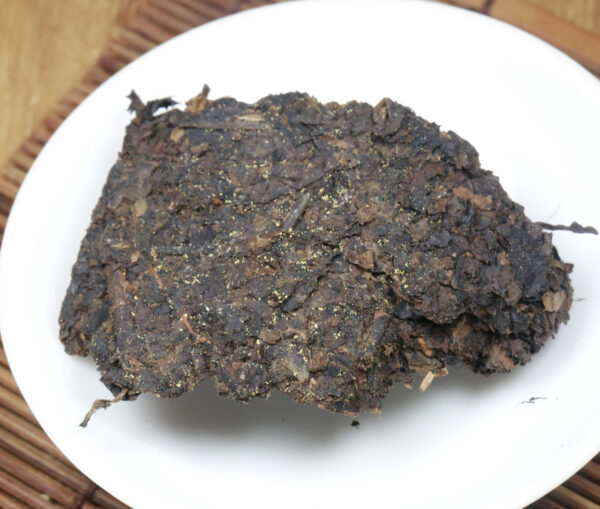
Amongst Dark Teas, Raw Puerh is the least acidic followed by small leaf ripe varieties and then larger leaf ones. Puerh may upset the body if on an empty stomach. Tibetan heicha varieties have overall lower pH levels in general.
Why Teas Have Acidity
Teas become acidic due to a variety of reasons, including:
- Level of oxidization.
- Fermented vs. Non Fermented teas.
- How long a tea is brewed.
- Water temperature.
- Tea growing environments.
How Oxidization Influences Tea Acidity
According to a study on black tea leaf processing, during oxidation polyphenols in tea leaves typically transform into various other compounds, including theaflavins and thearubigins. These changes affect the tea’s composition in regard to acidity level.
Fermentation
When teas like Puerh and Post Fermented Dark varieties undergo their fermentation process, microbial activity can produce additional organic acids. This is more common in ripe varieties of Puerh tea.
Brewing Times
Brewing a tea for too long causes a tea to become more acidic. If the tea soup becomes overly bitter and strong due to over brewing, this is also an indication that acidity in the tea has increased. This also causes caffeine levels to rise.
Water Temperature
The higher the water temperature the higher the acidic release in tea. Green tea requires the lowest temperatures for brewing in order to bring out a full aroma and taste. Contrarily, black tea requires a full boil.
Tea Growing Environments
Certain tea-growing regions have highly alkaline soil. Wuyishan, China, is the most famous of these regions and produces rock tea. Its oolong and black tea varieties rank among the highest-pH teas in the world because mineral-rich red clay naturally surrounds the region’s mountain tea fields.
The Impact of Tea Quality on Acidity
Generally speaking, low acid tea is higher grade quality. This is due to reserving premium teas for the most pristine environments, which include better soil, water sources and lower pollution. It is rare for big brands to use such environments for their mass consumption products due to costs. By comparison, the acidity in such big box teas are higher than specialized gourmet tea brands.
So, Is Tea Acidic or Alkaline?
Tea can be either alkaline or acidic. The outcome depends on processing, oxidization, fermentation, water temperature and brewing methods, as well as growing environments.
FAQ: What Tea is the Most Alkaline?
The highest alkaline tea is green tea followed by herbal teas such as chamomile. Rock Teas and lightly oxidized Oolongs are also higher in alkalinity.

Alex