Gourmet Tea » Tea Blog » Tea Information » Are Tea Bags Compostable?
Are Tea Bags Compostable?
Tea drinkers and manufacturers have long debated whether tea bags belong in compost. This article clears up the confusion and examines the different materials that manufacturers use to make tea bags.
The short answer is that some tea bags can go into compost, while others cannot. The complete answer involves several factors.
Tea leaves naturally decompose in compost. If you drink loose-leaf tea, you can add the used leaves to your compost pile without concern. Tea bags, however, require closer inspection.
Many tea companies make their bags from natural plant fibers. Large brands primarily use hemp fibers and cellulose derived from wood pulp and other plant materials.
However, manufacturers often seal these bags with thermoplastics. Many brands advertise “99% biodegradability” while acknowledging that their bags contain a small amount of plastic. This non-biodegradable material does not belong in compost.
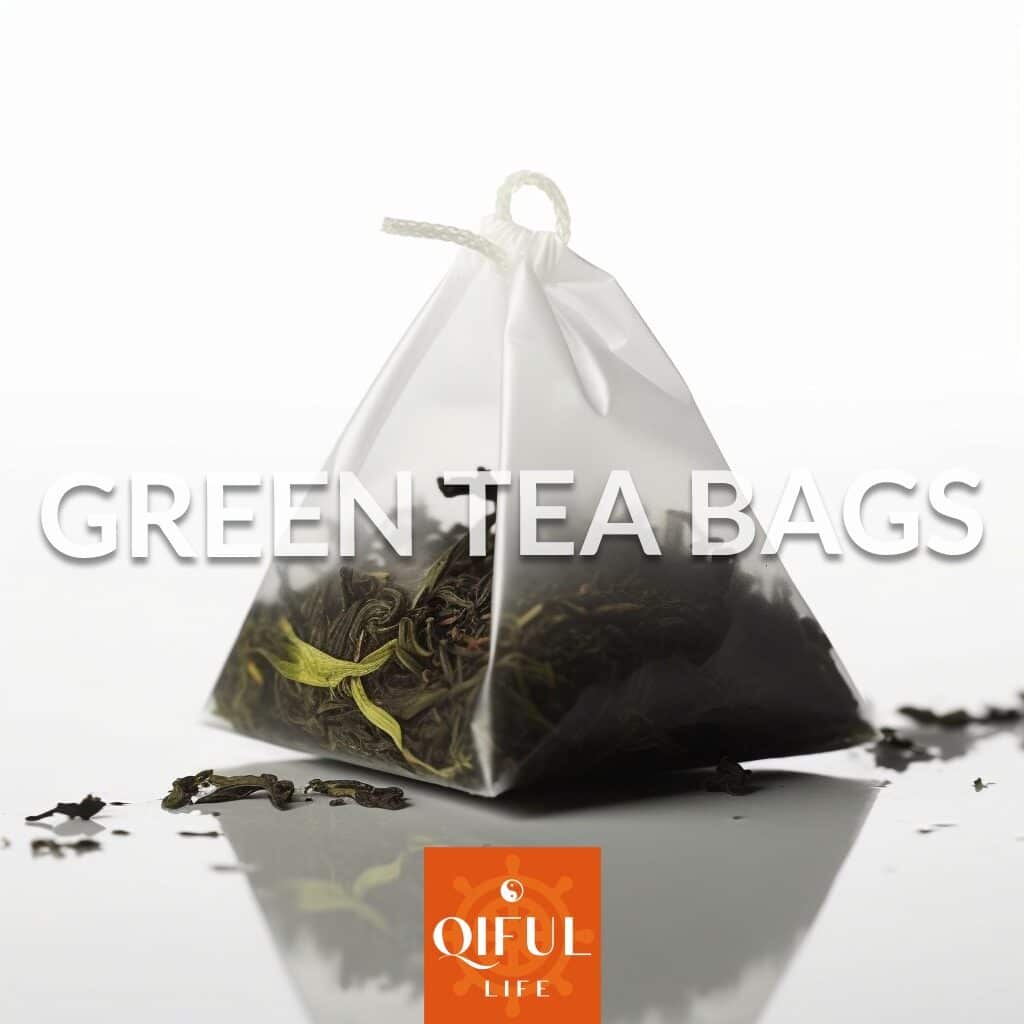
Alternatives exist. Qiful Life uses only natural fibers and applies a unique folding design that eliminates the need for plastic sealants.
Is the Plastic in Tea Bags Bad?
Many tea drinkers feel alarmed after discovering that they have regularly placed plastic in boiling water and consumed the resulting drink. Although tea bags may contain only small amounts of plastic, these concerns still make sense.
Microplastics pose various health risks, and the average person consumes an estimated 39,000 to 52,000 particles each year. These plastics also harm the environment.
The 1% of non-biodegradable material in a tea bag may seem insignificant, but people worldwide consume more than seven billion kilograms of tea each year. Most of these consumers use tea bags, creating a substantial amount of discarded plastic.
Common Tea Bag Materials and Whether They Belong in Compost
The tea industry does not follow a universal standard for tea bag materials. Manufacturers use several options, some of which decompose while others remain intact.
Polylactic Acid: Polylactic acid, or PLA, can break down in industrial composting facilities but not in most home compost piles.
Nylon: Nylon provides a cheap and effective material, but it does not decompose.
Natural Fiber Composites: Manufacturers make these tea bags from plant-based fibers such as hemp. These materials can break down in compost.
Plastic: Plastic offers manufacturers a common and inexpensive option, but it does not decompose.
Paper: Paper lacks the durability of other materials, but it costs little and can break down in compost.
Some manufacturers combine these materials. For example, they may seal a natural-fiber bag with thermoplastics and add metal staples. Bags containing these elements do not belong in compost.
Home Compost vs. Industrial Composting
PLA can break down in an industrial composting facility but not in a typical home compost pile. Industrial composting facilities control heat, temperature, and mineral content to create ideal conditions. They also preprocess waste through methods such as shredding and mixing before monitoring its decomposition.
Home composting relies on the natural environment. Waste may require several months to break down, while materials such as PLA may never decompose completely.
Keep PLA and other plastics out of your home compost. Avoid adding rotten meat and fish as well. Although these foods eventually decompose, they attract pests and vermin.
Instead, add household waste such as food scraps, natural tea bags, tea leaves, grass clippings, and leaves.
How to Compost Tea Bags Properly
Used tea leaves work well in home compost piles. They provide minerals such as potassium and nitrogen, which increase nutrient levels and enrich the compost. Tea leaves also add moisture that can accelerate decomposition.
Before composting a tea bag, check the packaging for information about its materials. Compost only bags made entirely from natural fibers and avoid those containing plastic, metal staples, or other non-degradable components. You may also need to remove strings, tags, and stickers.
Set each tea bag aside after use and allow it to cool before adding it to your compost pile.
Signs a Tea Bag Is Not Compostable
A pure-white tea bag with a slick surface probably will not break down in compost.
Unbleached natural tea bags usually have an off-white appearance without an artificial smell or slick surface. They may include strings attached with small staples. The string and paper tag often decompose, but you should remove plastic tags and metal staples before composting the bag.
The product label can also help you identify suitable tea bags. Brands that use unbleached, natural materials often highlight this choice on their packaging.
Producers want to protect the environment, but they also recognize that sustainability helps sell products. As a result, they usually promote their environmentally friendly materials. If the packaging makes no compostability or biodegradability claims, the bag probably will not break down in compost.
Greener Alternatives for Tea Lovers
You can purchase compostable tea bags, but identifying them does not always prove easy. Some brands that promote sustainability still use small amounts of plastic.
Consider the rest of the packaging as well. Many tea brands wrap individual bags in plastic or seal their boxes with it. Daily tea consumption can therefore create a significant amount of non-biodegradable waste.
You can also switch to loose-leaf tea. It provides better flavor, offers higher quality, and avoids concerns about tea bag materials. A good infuser makes loose-leaf tea nearly as convenient as tea bags, and you can add every gram of the used leaves to your compost.

Alex