Gourmet Tea » Tea Blog » Tea Information » Chinese Tea Types Explained
Chinese Tea Types Explained
China divides tea into six major categories: green, oolong, yellow, white, black, and dark tea. Different tea-growing regions produce multiple varieties within each category. Some Chinese teas also come in several forms, including loose leaves, bricks, cakes, and balls.
This article covers every Chinese tea category, including its regional varieties and types. It also provides comprehensive tables outlining oxidation levels, processing methods, and flavor profiles unique to Chinese tea.
Official Chinese Tea Categories
| Tea Category | Chinese Name | Oxidation Level | Processing Notes | Flavor Profile |
|---|---|---|---|---|
| Green Tea | 绿茶 (Lǜ chá) | None to minimal | Pan-fired or steamed | Grassy, fresh, sweet |
| White Tea | 白茶 (Bái chá) | Very minimal | Withered and dried only | Floral, creamy, light |
| Yellow Tea | 黄茶 (Huáng chá) | Light to moderate | Sealed yellowing process | Delicate and less grassy than green tea |
| Oolong Tea | 乌龙茶 (Wūlóng chá) | Semi-oxidized | Fired and rolled | Nutty, floral, creamy |
| Black Tea | 红茶 (Hóng chá) | Fully oxidized | Withered, rolled, oxidized, and fired | Bold, malty, fragrant |
| Dark Tea | 黑茶 (Hēi chá) | Post-fermented | Microbial fermentation through wet piling | Earthy, mellow, aged |
Chinese Green Tea Category
Chinese green tea undergoes little to no oxidation, making it the least processed category. Zhejiang, Jiangsu, and Anhui produce most of China’s green tea.
Tea producers throughout China follow the same basic processing techniques. Pickers first pluck one bud and several leaves from the stem by hand or machine, depending on the variety. Workers then wither the leaves to remove moisture. This natural oxidation process gives green tea its distinctive character.
Finally, workers heat the leaves in vats or pans. Panning stops the withering process and develops richer flavors.
Key Production Regions
Zhejiang produces Longjing, or Dragon Well, one of China’s most popular green teas. Its sword-shaped leaves provide a delicate flavor and nutty aroma.
Other popular Chinese green teas include Biluochun, also known as Jade Green Tea; Huangshan Maofeng from Anhui; Enshi Yulu, or Jade Dew, which producers steam instead of pan-frying; and Taiping Houkui.
Zhejiang produces China’s highest volume of green tea and grows Longjing, Anji White, Jingshan, Gunpowder, and Golden Bud. Jiangsu’s colder climate gives its green teas, including Biluochun, a distinctive sweetness. Anhui also produces popular varieties such as Huangshan Maofeng and Taiping Houkui.
How to Make Chinese Green Tea
Place three to five grams of loose-leaf tea in a porcelain gaiwan or teapot and steep it for 30 seconds. Avoid clay pots because they absorb too much of the tea’s fragrance.
Other 101s to Green Tea in China
Chinese green tea primarily comes in loose-leaf form. Some producers use varieties such as Gunpowder in tea bags. In Yunnan Province, producers sometimes press green tea into cakes, although the resulting flavor resembles oolong.
Green tea leads all Chinese tea categories in production volume and exports.
Chinese Black Tea Explained
Chinese black tea consists of fully oxidized small- and large-leaf varieties. It produces a reddish brew with bold, fragrant flavors. People in China call this category Red Tea, or 红茶.
Historically, black tea ranked among China’s most popular tea categories, particularly for exports to Europe and America.
Chinese tea makers begin production by plucking the leaves by hand or machine. They then place the leaves on bamboo or mesh racks to dry. Rolling releases enzymes during oxidation and enhances the tea’s natural flavors, especially when workers roll the leaves by hand.
The leaves then undergo full oxidation. Finally, workers fire the tea to stop the oxidation process and develop its full flavor.
Chinese Black Tea Production Regions
Fujian, a mountainous and culturally diverse region, produces Jin Jun Mei. Its name translates as “Beautiful Golden Eyebrows” because of the tea’s shape and color. Lapsang Souchong also comes from Fujian.
Yunnan borders Tibet, Laos, Vietnam, and Myanmar and produces rich, malty teas such as Dianhong. In addition to its green teas, Anhui produces Qimen Red, a delicate and smoky black tea.
Black Tea Varieties and Types in China
Chinese black tea reaches its highest quality when producers sell it as a single-source variety. Popular examples include Jin Jun Mei, Qimen Red, and sun-dried black tea from Yunnan.
Producers typically sell black tea as loose leaves, but they also press it into cakes or shape it into balls. These characteristics, processing methods, and growing regions define China’s black tea category.
How to Make Chinese Black Tea
Place three to four grams of black tea in a gaiwan or teapot and steep it for 20 to 30 seconds. Use porcelain for fragrant varieties and clay for large-leaf teas.
FAQ: Is Black Tea the Same as Red Tea?
In China, black tea belongs to the Red Tea category. The difference comes from a long history of mistranslation. English speakers use “black tea” for the category that people in China call “red tea.” In other countries, red tea may refer to rooibos.
The Chinese Oolong Tea Category
Chinese oolong undergoes partial oxidation and covers the broadest range of flavors and production regions. Its oxidation level falls between green and black tea.
After harvesting and oxidizing the leaves, workers fire them to stop further oxidation. They then roll the leaves into pearls and dry them.
Most Chinese oolongs provide nutty, floral, and creamy flavors. The oxidation level and leaf quality determine their depth of flavor.
Regional Variants
Farmers grow Wuyi Rock Tea, or yancha, in Fujian’s Wuyi Mountains. These high-grade oolongs come in strip form and undergo the highest oxidation levels.
Southern Fujian produces fragrant, floral Tieguanyin in Anxi. These teas come in loose-leaf form and feature smaller strips than yancha.
Farmers in Yunnan also experiment with oolong tea from younger tea trees. They generally reserve older trees for high-end Puerh and use younger trees for ball-pressed or cake-style oolongs.
How to Make Chinese Oolong Tea
Place three to four grams of oolong in a gaiwan or teapot and steep it for 20 to 30 seconds. Use porcelain for fragrant oolongs and clay for Wuyi Rock Tea.
Chinese White Tea
Chinese white tea undergoes minimal processing without panning, rolling, or firing. Producers harvest immature buds before withering and drying them. This process creates floral, sweet, and creamy flavors.
The brewed tea has a straw-colored appearance, while its silvery buds and leaves give white tea its name.
Key Production Regions in China
Fujian leads Chinese white tea production, with most of its output coming from Zhenghe and Fuding.
Hand-plucked Baihao Yinzhen, or White Hair Silver Needle, ranks among China’s most famous white teas. Producers make this lightly oxidized tea exclusively from the plant’s top buds.
When harvesting Bai Mudan, a variety known for its full flavor, workers pick one shoot and two young leaves. Tea makers harvest Shoumei later and allow it to wither naturally, giving it an appearance and flavor similar to oolong.
White Tea Types in China
Fuding white tea comes in balls, cakes, and loose-leaf forms. Its leaf structure supports this versatility.
Silver Needle only comes in loose-leaf form because breaking the buds into smaller pieces or powder diminishes their flavor.
Chinese Yellow Tea Classification
China recognizes yellow tea as a distinct category. Tea makers follow a process similar to green tea production but add a step called sealed yellowing.
After plucking, withering, and firing the leaves, workers wrap them so they can reabsorb their moisture and encourage oxidation and fermentation. Producers may repeat this step several times before drying the tea.
The main yellow tea varieties include Huoshan Huangya, Junshan Yinzhen, and Mengding Huangya. These teas taste more delicate and less grassy than green tea.
Yellow Tea Varieties in China
China remains one of the few countries where producers make small squares of yellow tea. Regional dark-tea traditions influence the square shape of Junshan yellow tea from Hunan.
Yellow tea remains the least popular of China’s six categories and attracts fewer consumers and exports. Limited flavor differences among yellow, green, and oolong tea contribute to its low consumer interest.
The Complex World of Chinese Dark Tea
Dark tea, also known as fermented tea, undergoes oxidation and microbial fermentation through wet piling. Producers age it for weeks, months, or years. The oldest varieties command prices comparable to fine wines.
Key Production Regions
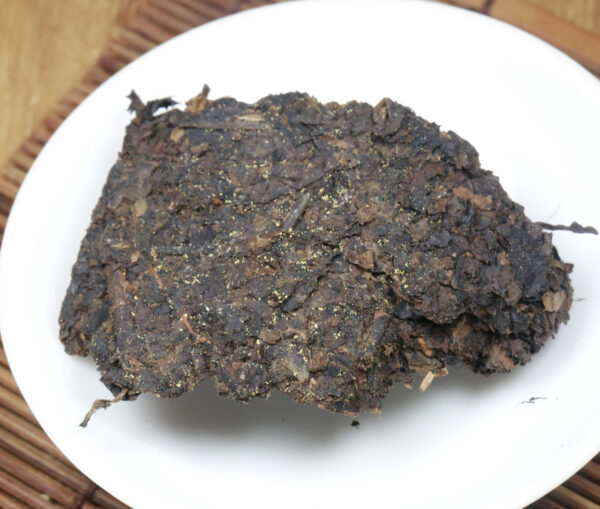
Yunnan contains the market town of Puerh, which gives the tea its name. Hunan produces Fu Brick, or Fuzhuan Tea, a fermented tea that producers press into bricks. Fu Brick belongs to the dark-tea category rather than the Puerh category.
Guangxi borders Vietnam and produces Liu Bao, a fermented tea with woody, sweet, and rich flavors.
Scholars and tea experts have long debated whether Puerh should qualify as its own category because producers primarily use Camellia sinensis var. assamica rather than Camellia sinensis. According to Chinese national tea standards, Puerh technically belongs to the dark-tea category and comes from Yunnan Province.
Other Information on Chinese Tea Categories
Purple tea does not constitute a separate category in China. Natural purple buds represent a characteristic of several leaf types, including Puerh, oolong, and black tea.
Summary
All Chinese tea types come from the same plant, Camellia sinensis. The ways workers pluck and process the leaves determine each tea’s flavor, fragrance, rarity, and quality.
Every category offers distinct characteristics. White and green teas provide mild, grassy, and creamy notes, while black and fermented teas deliver richer, deeper flavors.
Processing Steps by Chinese Tea Category
| Step | Green Tea | White Tea | Yellow Tea | Oolong Tea | Black Tea | Dark Tea |
|---|---|---|---|---|---|---|
| Plucking | ✅ | ✅ | ✅ | ✅ | ✅ | ✅ |
| Withering | ✅ | ✅ | ✅ | ✅ | ✅ | ✅ |
| Pan-Firing | ✅ | ❌ | ✅ | ✅ | ✅ | Sometimes for shou |
| Rolling | Sometimes | ❌ | Sometimes | ✅ | ✅ | Sometimes |
| Oxidation | None to minimal | None | Light to medium | Partial | Full | Post-fermentation |
| Aging | ❌ | Mild | ❌ | Some varieties | Some varieties | Required |
| Fermentation | ❌ | ❌ | Partial | ❌ | ❌ | Microbial |
Chinese Tea Types by Category
| Category | Loose Leaf | Tea Cakes | Tea Balls | Bricks | Bags |
|---|---|---|---|---|---|
| Green Tea | ✅ | Rare and primarily from Yunnan | ❌ | ❌ | Gunpowder |
| White Tea | ✅ | ✅ | ✅ | ❌ | ❌ |
| Yellow Tea | ✅ | Rare squares | ❌ | ❌ | ❌ |
| Oolong Tea | ✅ | Some varieties | Some varieties | ❌ | ❌ |
| Black Tea | ✅ | ✅ | ✅ | ❌ | ✅ |
| Dark Tea | ✅ | ✅ | ✅ | ✅ | ❌ |

Alex