Gourmet Tea » Tea Blog » Tea Information » A Look at the Xiaguan Tea Factory in Yunnan
A Look at the Xiaguan Tea Factory in Yunnan
Xiaguan Tea Factory originally operated as Kangzang Tea Factory before adopting its current name in the 1950s. The company helped establish Yunnan as one of the East’s leading specialist tea-producing regions. In this guide, we explore the factory’s legacy and approach to Puerh production in Yunnan, China.
Xiaguan Tea Factory Overview
| Attribute | Details |
|---|---|
| Founded | 1941 as Kangzang Tea Factory |
| Renamed | Became Xiaguan Tea Factory during the 1950s |
| Restructured | Became Yunnan Xiaguan Tuocha Co., Ltd. in 1994 |
| Headquarters | Dali, Yunnan Province, China |
| Notable Products | Tuocha, Jia Ji, Cang Er Tuo |
| Total Tea Varieties | Approximately 200 |
| Employee Count | More than 1,000 |
History of Xiaguan Tea Factory
Xiaguan Tea Factory began operating in 1941, although tuocha—the tea that brought the factory widespread recognition—dates back several decades earlier. The company merged with several smaller tea producers and adopted the name Xiaguan Tea Factory during the mid-1950s. In 1994, the company restructured as Yunnan Xiaguan Tuocha Co., Ltd.
The company operates in Dali, a city in the southwestern Chinese province of Yunnan. During its early years, rising demand for Puerh drove substantial growth, and the factory reached a record production volume of 50 tons in 1955. Xiaguan continued expanding and developed its original mushroom-shaped teas into bricks and round cakes.
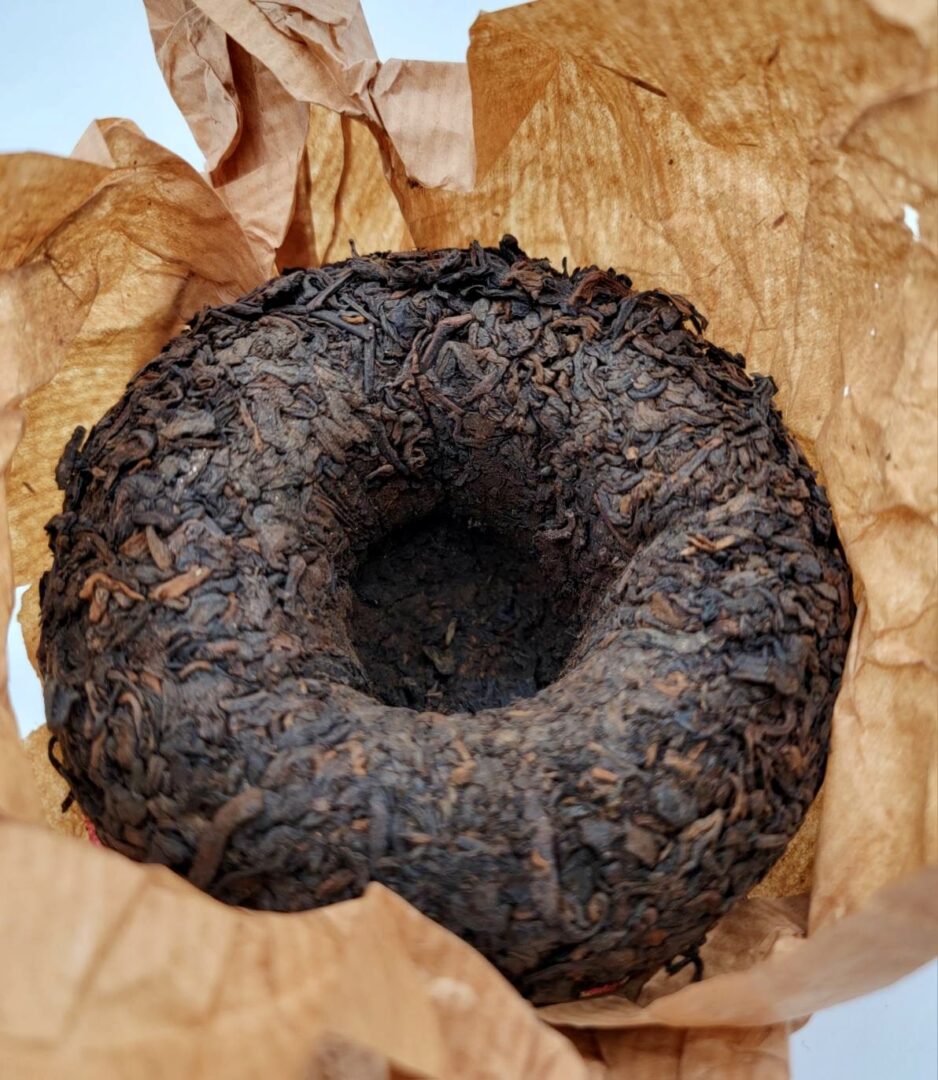
Xiaguan Tuocha ranks among the factory’s earliest and most popular teas. Workers press this iconic fermented tea into a bowl shape that originally made caravan transportation easier.
These tightly compressed cakes produce a strong, malty, and earthy brew. The tea combines smoky and slightly fruity flavors with a damp, earthy, yet pleasant aroma.
Xiaguan Tea Factory offers approximately 200 varieties, most of which belong to the Puerh category. Its catalog includes Jia Ji, a strong tea with notes of fruit and dark chocolate, and Cang Er Tuo, a type of tuocha that the factory introduced in 1960.
Signature Xiaguan Teas
| Product Name | Type | Notes |
|---|---|---|
| Tuocha | Shou or Sheng Puerh | Iconic bowl-shaped compressed tea with malty, smoky, and earthy characteristics |
| Jia Ji | Shou Puerh | Bold tea with fruit and dark chocolate notes |
| Cang Er Tuo | Tuocha | Rich, traditional tea first produced in 1960 |
Xiaguan’s Raw (Sheng) vs. Ripe (Shou) Offerings
Producers ferment ripe Puerh, or shou cha, quickly by aging the tea in a warm, humid environment for several months. Raw Puerh, or sheng cha, develops through traditional fermentation over many years and often becomes rarer and more expensive.
Xiaguan uses both methods to create its selection of fermented teas. Its most sought-after raw teas sell for hundreds of dollars per cake. The factory marks each cake with a pressing date and may use a single variety or a blend.
These cakes vary considerably in flavor and aroma. Raw Puerh often combines floral, slightly bitter, and sweet flavors with grassy and vegetal notes. Ripe Puerh tastes woodier and develops notes of tobacco, oak, and honey-like sweetness.
Tea drinkers and collectors seek raw Puerh most often. Like fine wine, raw Puerh improves with age, and older varieties usually command higher prices.
Raw (Sheng) vs. Ripe (Shou) Puerh Characteristics
| Feature | Raw (Sheng) Puerh | Ripe (Shou) Puerh |
|---|---|---|
| Fermentation Time | Slow and natural over several years | Accelerated over several months |
| Flavor Profile | Floral, bitter, vegetal, grassy | Woody, earthy, tobacco, honey |
| Aging Value | Appreciates over time | Changes less dramatically but remains stable |
| Popularity | Most sought after by collectors | Popular for daily consumption |
| Typical Form | Cakes, tuocha, bricks | Cakes, tuocha, bricks |
Processing Style and Craftsmanship at Xiaguan Tea Factory
Xiaguan traditionally pressed tea with cloth-bag molds. As demand increased during the 1950s, the company switched to aluminum molds. After fermentation, workers place the maocha, an unfinished processed tea ready for shaping, into the molds and compress it with hydraulic presses.
As one of China’s oldest and largest Puerh producers, Xiaguan draws on decades of experience when creating fermented teas. The company selects high-quality varieties for its blends before fermenting and aging them through time-tested methods.
Young Xiaguan Puerh typically provides floral and bitter notes. As the tea matures, it develops smoky and woody flavors. Aged Puerh can achieve a level of complexity and refinement comparable to aged whisky or wine, with flavors ranging from dried fruit and spices to honey and wild mushrooms.
Xiaguan Tea Processing Methods
| Stage | Description |
|---|---|
| Plucking | Workers harvest high-quality leaves |
| Fermentation | Producers use warm, humid conditions for shou or allow sheng to ferment naturally over time |
| Shaping | Workers use hydraulic presses to compress the tea in molds |
| Mold Type | Xiaguan historically used cloth bags before adopting aluminum molds after the 1950s |
| Aging | Producers store the tea under various conditions to develop its flavor |
Aging, Storage, and Collectability
Xiaguan Tuocha often commands high prices, while the company’s strong reputation helps its teas retain value on the secondary market. Raw Puerh cakes from the 1970s and 1980s rank among the company’s most expensive products.
Xiaguan produced these teas during a period of rapid growth. After more than 50 years of aging and gradual ripening, they now rank among the most complex teas available.
A single raw Puerh cake may sell for hundreds or thousands of dollars. These prices still fall well below those of the world’s most expensive teas, as some aged Puerh cakes sell for hundreds of thousands of dollars.
Age does not determine price and quality by itself. Storage methods also play an important role. Warm, humid environments accelerate fermentation and help the tea mature sooner. Dry environments slow the aging process but can create a more complex and nuanced flavor profile.
Xiaguan Packaging Shapes
| Shape | Description | Purpose |
|---|---|---|
| Tuocha | Bowl shape | Supports easy caravan transportation |
| Cakes | Disc shape | Supports traditional storage and aging |
| Bricks | Rectangular blocks | Provides a compact form for trade and storage |
| Balls | Spherical shape, rare for Xiaguan | Used occasionally for novelty products or blends |
How to Identify Authentic Xiaguan Factory Teas
Counterfeiters target Xiaguan teas because of the brand’s strong reputation and high demand. Imitations may resemble authentic products and carry similar prices, but they fail to match the flavor of genuine Xiaguan tea.
Proper Branding
Look beyond the company name when evaluating a product. Genuine Xiaguan teas display date stamps and factory codes that buyers can verify online.
Before purchasing premium aged tea, research the packaging and confirm that it matches the stated production year. Counterfeiters often place newer packaging on teas with older dates.
The Price
Some counterfeit teas match the price of genuine products, but many cost considerably less. Counterfeiters frequently use lower prices to attract buyers away from authentic teas.
The Seller
Purchase Xiaguan tea only from reputable suppliers that work directly with the factory. Look for companies that support their legitimacy with official registration, customer testimonials, and positive reviews.
Xiaguan’s Role in Yunnan Tea Culture
Xiaguan plays a central role in the Puerh tea industry and ranks among the three major legacy Puerh factories alongside Menghai and Kunming. The company consolidated with several local producers before adopting the Xiaguan Tea Factory name in the 1950s.
Privatization during the early 2000s marked one of the company’s most significant turning points. As China transitioned toward a market-oriented economy, Yunnan Xiaguan Tuocha Co. entered private ownership and gained greater control over its operations and direction.
A collection of modest tea producers that once exported tea to Tibet and nearby regions has grown into a national powerhouse. Xiaguan now employs more than 1,000 workers, produces over 200 tea varieties, and ships countless tons of compressed tea annually.

Alex