Description
First brought to Taiwan from China’s Fujian Province over 150 years ago, Dong Ding is a prized oolong tea. The name comes from the Dong Ding mountain in Taiwan, which sits at an approximate elevation of between 2,000 and 3,000 feet.
Originally, the tea was grown exclusively on this mountain, and much of it still comes from Dong Ding. However, its popularity means it has since spread to other parts of Taiwan.
Dong Ding roughly translates to “Frozen Summit”, referencing the mountain’s high elevation and colder temperatures that produce a slower growing period and a rich, complex tea.
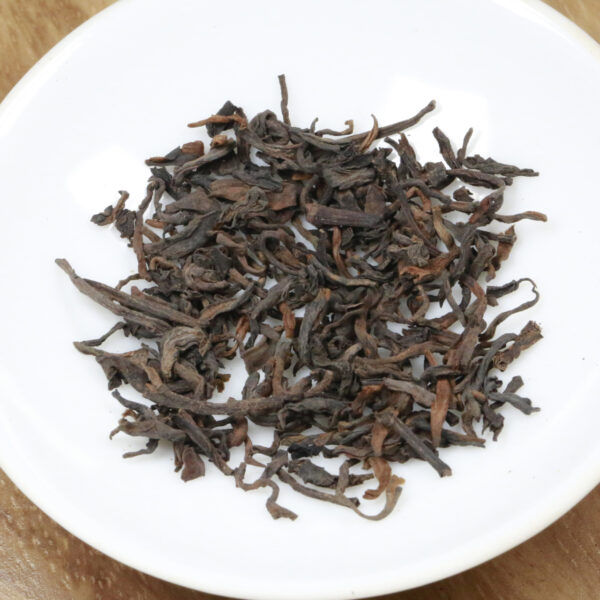
Our aged Taiwan Dong Ding Tea delivers all the sweetness and complexity that make this such a popular variety. The ageing process draws out more of that complexity. It creates a deep, rounded flavor profile distinctive of aged high mountain teas.
Dong Ding Tea Production
Artisanal producers use traditional methods and a painstaking process to craft this tea. Firstly, pickers select mature shoots containing three or four leaves.
They sun-dry these shoots before resting them indoors on bamboo trays to dry them out. A tea master then carefully bruises the leaves to begin the oxidation process, aiming for between 15% and 30% oxidation.
After fixing and rolling the leaves into pellets, the tea master then roasts them. This is where Dong Ding stands apart from other oolong teas, as the tea master roasts the pellets over charcoal, controlling the temperature throughout. The roasting process caramelizes the sugars and removes many of the astringent and vegetal notes.
The result is a naturally sweet and nutty flavor. Some experts liken the flavors to wild honey, toasted nuts, and freshly baked cookies.
How Ageing Changes the Flavors of Dong Ding Tea
Young Dong Ding tea retains many floral notes. However, as the tea ages, these flavors transform, and the tea becomes richer, fruitier, and woodier.
In the first five years, vegetal notes transform into honeyed stone fruits and caramelized nuts. After a decade or so, it becomes even sweeter and richer, reminiscent of macerated cherries and candied orange peel.
Finally, at 20 years and beyond, Dong Ding tea becomes woodier and earthier, with notes of leather, pipe tobacco, and dry moss, along with the classic wild honey flavors.


 Medium Caffeine
 Heavy Roast
 Wake Up
Reviews
There are no reviews yet