Description
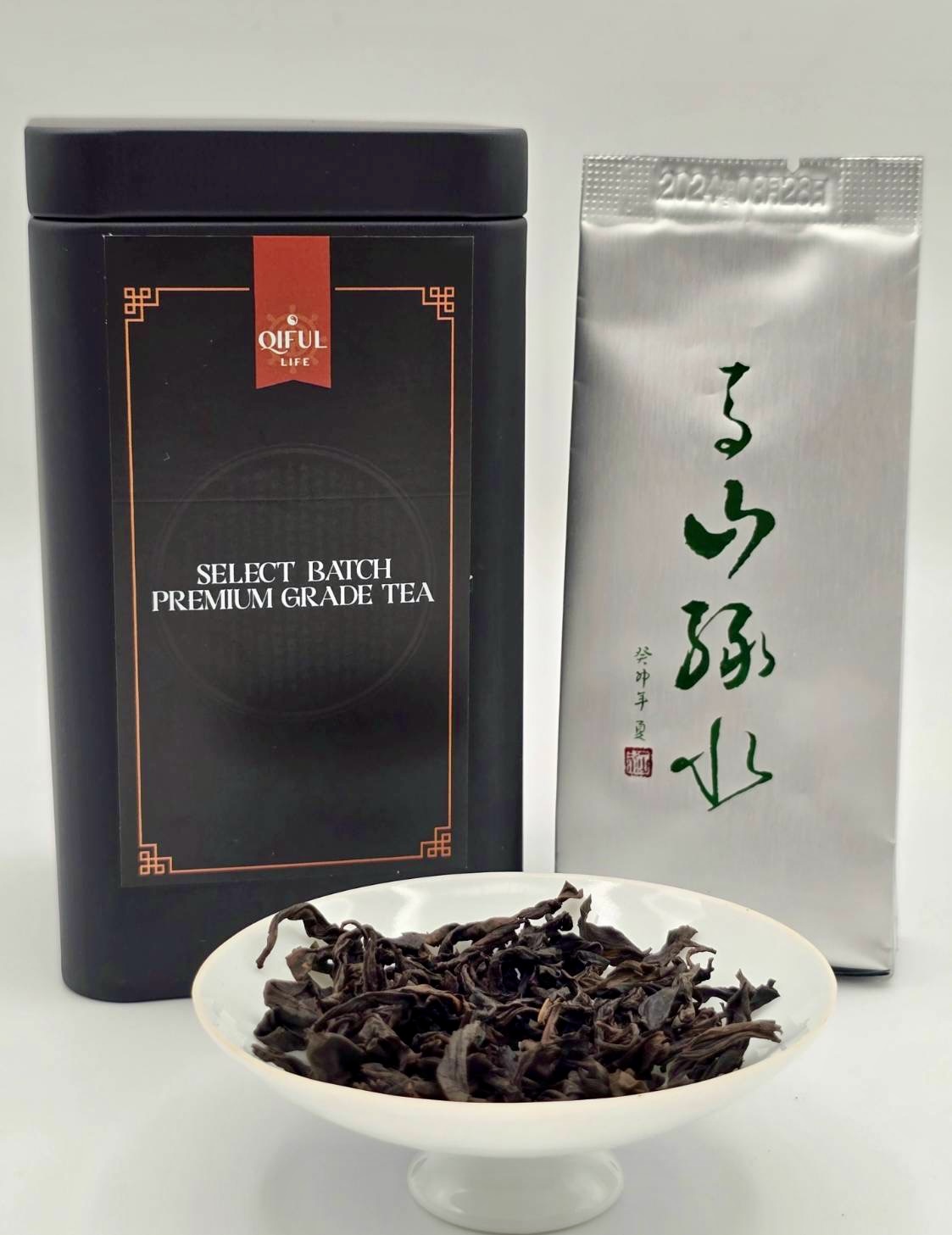
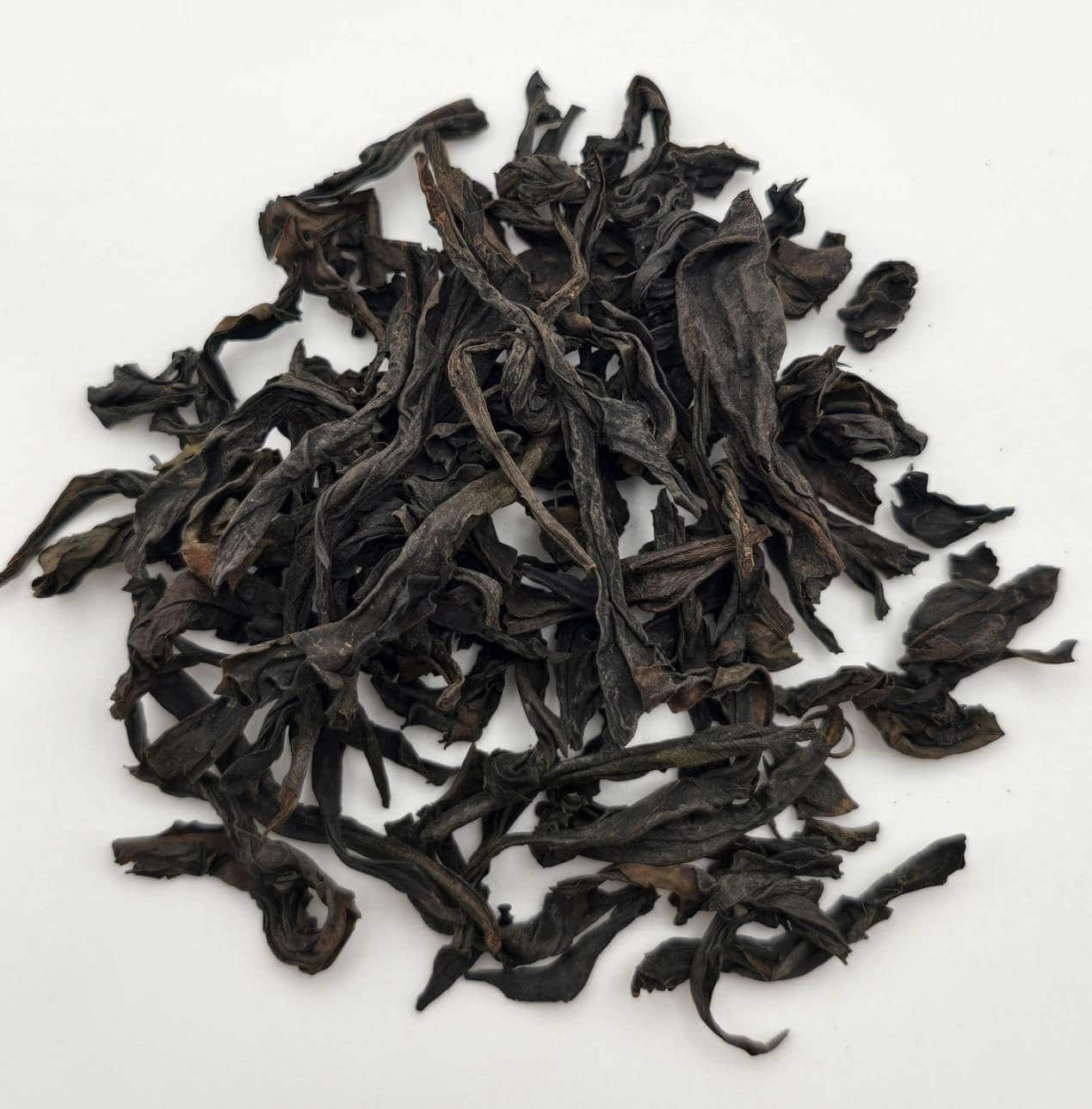
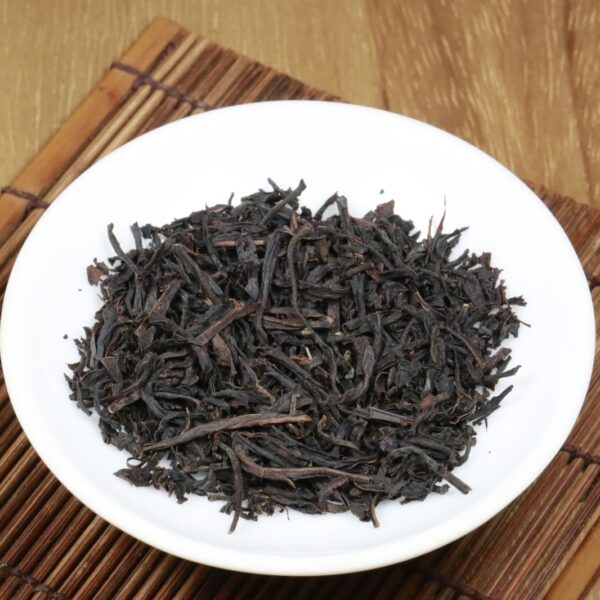
Qi Lan is a slightly sweet and fruity Oolong Rock Tea from the Wuyi Mountains. Out of all the rock teas from this region, Qi Lan stands out as the most unique, flavorful, and fragrant.
Farmers harvest the leaves from healthy forest tea trees that produce a sweet and fragrant taste. The aromas and flavors are the result of the low-acid and mineral-rich soil, as well as a cooler climate that forces the tea plants to grow slowly.
Product Details:
- Tea Region: Private Forest Reserve in the Wuyi Mountains.
- Season: Spring 2026.
- Caffeine Level: Low to Mid Caffeine.
- Time of Day to Drink: Morning and Afternoons.
- Hand-Picked Tea: Yes.
- Forest Tea: Yes
- Tea Quality: Gourmet Tea.
- Flavor: Slightly Sweet and Fruity, but also Fragrant, with Orchid-Like Aromas.
- Single Origin Tea: Yes. Single Origin Tea from Healthy Tea Trees.
- Tea Steep Method: 4 grams steeped for 20-30 seconds.
- Qi Strength: Medium Qi.
- Attributes: Organic. Loose Leaf. Low Acid Tea.
To produce Qi Lan Oolong Rock Tea, farmers firstly select the fresh, mature leaves on sunny spring days. They then spread the leaves out to dry them under the sun, with the direct sunlight removing excess moisture and slowly withering the leaves.
Tea masters then place the leaves in bamboo baskets and shake them to bruise the edges. An important step in Oolong tea production, this bruising exposes more of the leaf to the oxygen, thus accelerating the oxidation process.
The leaves are then left to rest, at which point they steadily oxidize. As a result of this oxidation process, the sharp, astringent notes transform, developing more rounded flavors. The next step is to pan-fire the leaves, the heat of which kills oxidation and locks in the flavors and aromas. Finally, tea masters roll and shape the leaves before roasting them over fire.
The roasting process basically caramelizes the tea. It turns mild and delicate flavors into rich and intense ones. By roasting the tea leaves multiple times and monitoring their progress, tea masters can achieve the desired profile without over-roasting.
 Medium Caffeine
 Medium Roast
 Wake Up
Reviews
There are no reviews yet