Gourmet Tea » Tea Blog » Tea Information » A Look at Puerh Tea Production in Taiwan
A Look at Puerh Tea Production in Taiwan
Can Taiwan produce Puerh tea? The answer depends on how you define the term.
A small number of Taiwanese farmers grow tea plants that trace their origins to Yunnan, China. They can use these leaves to make white, black, and fermented teas.
However, China recognizes Puerh as a geographical indication. Under this standard, authentic Puerh uses sun-dried large-leaf tea grown and processed within designated parts of Yunnan. Tea grown in Taiwan therefore falls outside the official geographic definition, even when it comes from Yunnan-origin plants.
Taiwan Puerh Tea Overview
| Question | Short Answer |
|---|---|
| Does Taiwan grow Yunnan-origin tea plants? | Yes, but in limited quantities |
| Can farmers process the leaves like raw or ripe Puerh? | They can use similar methods |
| Does Taiwan-grown tea meet China’s official Puerh definition? | No, because the leaves grow outside Yunnan |
| What do Taiwanese farmers make from these plants? | White tea, black tea, and experimental fermented tea |
| Is this tea widely available? | No, production remains small |
How Yunnan Tea Trees Reached Taiwan
According to accounts from growers connected with Qiful Life, a small number of farmers brought Yunnan tea plants to Taiwan during the early 2000s.
Many of these plants reportedly came from the Gaoligong Mountains in western Yunnan. This mountain range extends through Baoshan and areas near the Dehong Dai and Jingpo Autonomous Prefecture. Myanmar lies to the west.
Farmers selected these plants because they believed the trees could adapt to Taiwan’s mountains. Both regions include high elevations, varied soil, rich plant life, and changing weather conditions.
Growers also tested plants from areas farther south in Yunnan. According to these local accounts, many of those plants did not adapt as well to Taiwan’s environment.
It is difficult to verify the exact source and import history of every Taiwanese tree. Buyers should treat these details as producer provenance unless a seller provides plant records or genetic testing.
Is Taiwan-Grown Tea Really Puerh?
China’s current national standard treats Puerh as a protected geographical product. The standard covers tea made from Yunnan-grown, large-leaf material within an approved production area.
The protected region includes 75 counties across 11 Yunnan prefectures and cities. These include Puerh, Xishuangbanna, Lincang, Baoshan, and Dehong. China’s national standards platform lists GB/T 22111-2008 as the current Puerh standard.
The China-EU geographical indication agreement also describes Puerh as tea made from sun-dried, large-leaf material grown in Yunnan. It recognizes both raw and ripe forms. The official geographical indication profile explains this definition.
For this reason, “Taiwan-grown Yunnan large-leaf tea” provides a more precise name. Sellers may also describe it as Puerh-style tea when they use related processing methods.
The plant variety alone does not make a tea Puerh. Growing location, initial processing, drying, fermentation, and aging also shape the final product.
Taiwan Puerh Tea Varieties
Taiwanese farmers have used buds and leaves from Yunnan-origin trees to make several teas:
- White Tea From Yunnan-Origin Tea Trees
- Large-leaf black tea
- White tea blends
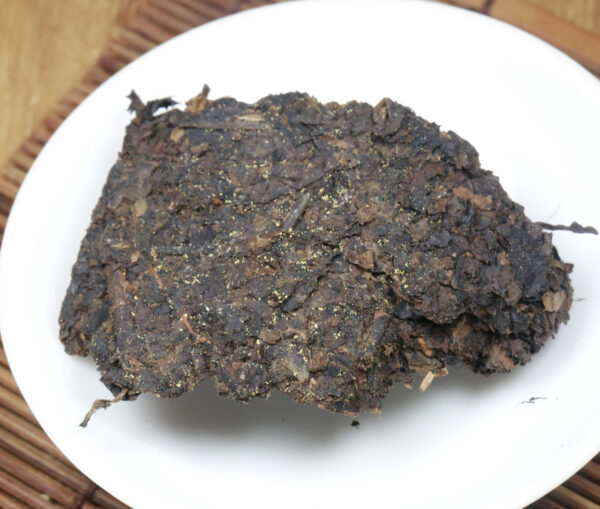
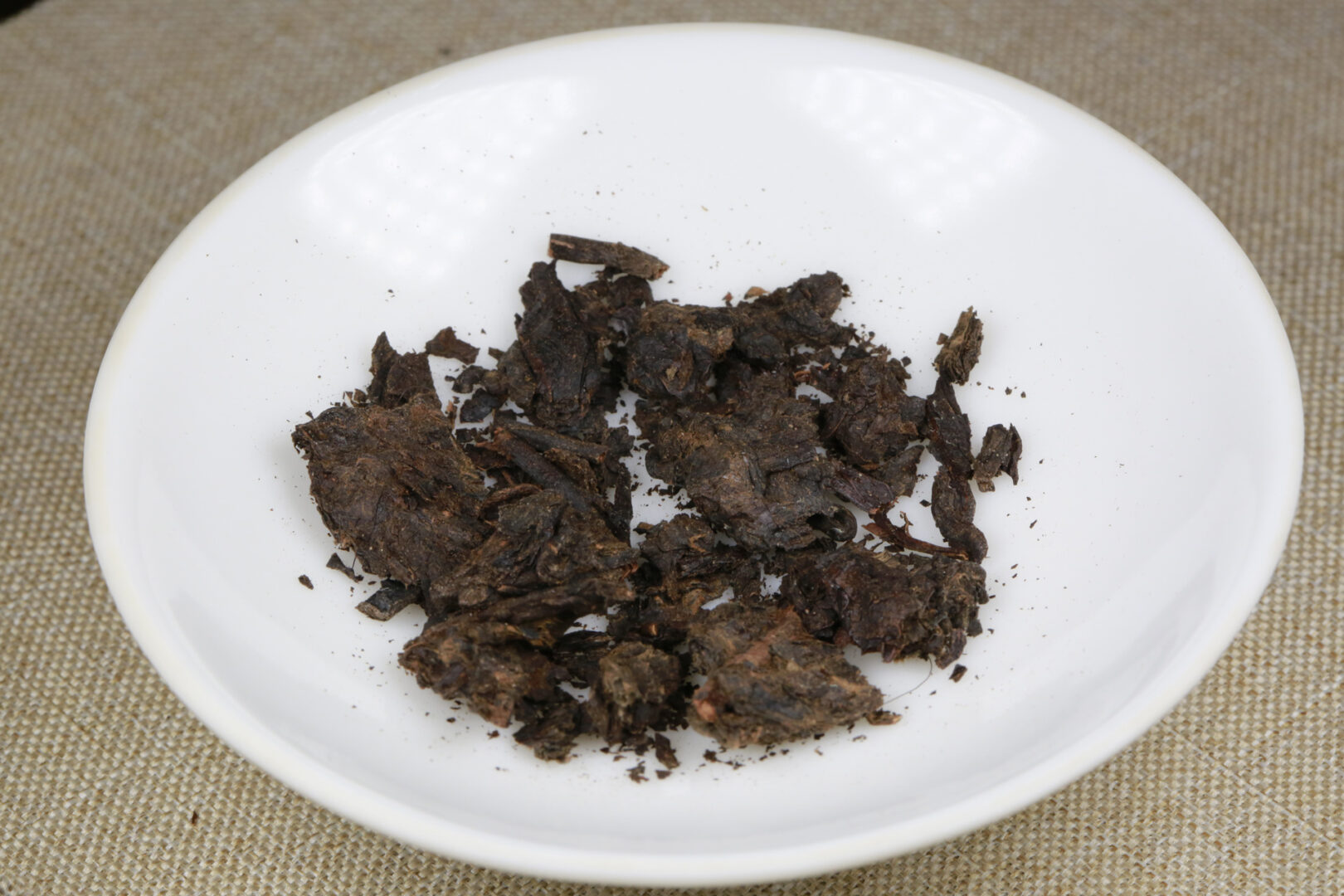
- Small experimental batches of raw or ripe Puerh-style tea
These teas can share some traits with Yunnan Puerh material. However, their Taiwanese growing environment and production methods give them a separate identity.
White Tea
White tea offers one of the most practical uses for these leaves. Producers can wither and dry the buds without completing the full Puerh process.
The finished tea may have a full body, soft sweetness, and large leaves. Its exact flavor depends on the elevation, harvest, weather, and drying method.
Large-Leaf Black Tea
Farmers can also oxidize the leaves fully to create black tea. These teas may offer deep fruit, honey, malt, or wood notes.
Small harvests make these black teas harder to find. Their flavor may also change from one season to the next.
Puerh-Style Tea
Taiwan produces very little standalone raw or ripe Puerh-style tea from locally grown material.
Raw Puerh-style production requires suitable leaves, sun drying, compression, and careful storage. Ripe production adds controlled pile fermentation, which demands close control of moisture, heat, airflow, and microbial activity.
Typhoons and high humidity can make production and storage more difficult. Small harvests also limit the amount of material available for experiments.
Farmers may prefer to sell the leaves as white or black tea. These styles can reach the market sooner and may carry less production risk.
Where Can You Buy Taiwanese Puerh Tea?
Qiful Life offers limited teas made from Taiwanese-grown, Yunnan-origin plants. Few Western tea sellers carry this type of material.
Our access comes through our resident tea master. During the early 2000s, he explored tea-growing areas in Yunnan and selected plants for cultivation in Taiwan.
He also oversees the production of many Qiful Life teas. This relationship allows us to offer small batches that rarely reach the wider market.
Our Signature Peony White Tea uses hand-rolled buds and leaves from these trees. We may also receive limited batches of dark black tea when the harvest permits.
Because production remains small, availability can change by season.
The Future of Puerh-Style Tea in Taiwan
Taiwan will likely remain a small producer of tea from Yunnan-origin plants. Limited tree stock, changing weather, small harvests, and processing costs make large-scale production unlikely.
Claims that China banned all exports of Puerh tea trees in 2008 are difficult to confirm through reliable public sources. China did introduce national geographical indication protections for Puerh that year, but geographic protection and a ban on exporting plant material are not the same policy.
Taiwan also has deep experience with oolong, black tea, white tea, and controlled oxidation. Its small volume of ripe Puerh-style tea does not show a lack of tea-making skill. Ripe Puerh simply requires different equipment, microbial control, batch sizes, and commercial demand.
Vietnam, Laos, and other countries can grow large-leaf tea and make aged or fermented products. However, those products do not qualify for China’s protected Puerh geographical indication.
Yunnan will therefore remain the center of authentic Puerh production. Taiwan may continue to create rare specialty teas from related plant material.
Summary
- A small number of Taiwanese farmers grow tea plants with reported origins in Yunnan.
- Some of these plants reportedly came from the Gaoligong Mountains.
- Farmers use the leaves mainly for white tea, black tea, and specialty blends.
- Taiwan produces only small amounts of raw or ripe Puerh-style tea.
- Under China’s geographical standard, tea grown in Taiwan does not qualify as authentic Puerh.
- “Taiwan-grown Yunnan large-leaf tea” offers a more accurate description.
- Taiwan may continue producing rare specialty batches, but Yunnan will remain the center of Puerh tea.

Alex