Gourmet Tea » Tea Blog » Tea Information » A Complete Guide to Black Tea

A Complete Guide to Black Tea
Black tea undergoes full oxidation. Producers make it from processed leaves of the Camellia sinensis plant, and it creates a red-colored caffeinated liquid. Tea drinkers can consume it hot or cold, depending on the leaf type.
Black tea ranks as the world’s second-most-consumed beverage after water. Producers generate approximately four to five million tons worldwide each year.
Summary of Black Tea
| Data Type | Highlights |
|---|---|
| Total Global Consumption | Producers generate approximately four to five million tons annually. |
| Daily Consumption | People drink approximately three billion cups daily, making black tea the most common tea type worldwide. |
| Top Consumers | Turkey, at approximately 3.2 kilograms per capita, followed by the United Kingdom, Ireland, Sri Lanka, and Argentina |
| Major Producers | China, India, Sri Lanka, and Kenya dominate global production and exports. |
All true black tea comes from Camellia sinensis. Although individual varieties influence flavor and caffeine content, processing methods create the primary differences.
Producers use either Camellia sinensis assamica, a large-leaf variety from India, or Camellia sinensis sinensis, a small-leaf, cold-weather variety common in China. They wither the leaves to reduce moisture before rolling them to break the cell walls and release juices and nutrients. Chemical reactions then ferment the leaves.
These processes change the leaves’ color and flavor, while the producer’s chosen methods determine the final quality.
Types of Black Tea
Black tea comes in several primary forms. Loose-leaf black tea requires a strainer or infuser, while tea bags provide pre-portioned servings for convenience.
Single-region tea comes from a pure origin, while blended tea combines multiple sources and commonly appears in mass-market tea bags. Aged black tea matures over time and develops deeper flavors. Flavored black tea combines tea leaves with ingredients such as spices or dried fruit.
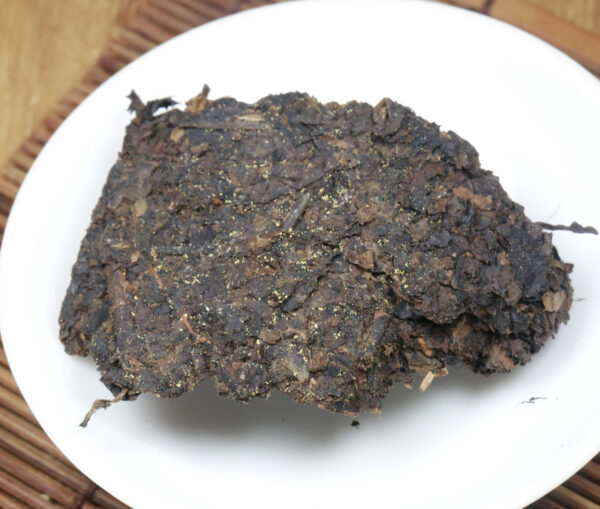
Producers also press black tea into solid cakes, a form traditionally used for shipping. Black tea balls typically come from Yunnan and consist of sun-dried, medium- to large-sized leaves compressed into individual servings.
Small loose-leaf varieties used in tea bags, blends, and packaged containers represent the most common form.
The Origins of Black Tea
People likely began drinking tea thousands of years ago, but black tea emerged much later.
Tea’s history reaches so far into the past that myth and reality often overlap. According to legend, Emperor Shennong discovered tea after a leaf blew into his boiling water.
Black tea appeared around the 1600s, when green and oolong teas dominated tea production. One account claims that an army occupied a tea factory and delayed production. The delay caused the leaves to dry and oxidize for too long, unintentionally creating black tea.
Although no one can confirm these legends, black tea had spread widely by the 17th century. Its bold flavor and long shelf life attracted European traders. Political events in the United States during the 17th and 18th centuries also centered on black tea.
Historical Significance and Cultural Heritage
People often approach tea preparation with methodical care rooted in tradition. In China, younger generations brew tea to demonstrate respect for their elders. Historically, members of the lower classes also brewed and served tea to members of the upper classes.
Tea carries similar cultural importance in the West. In Britain, people often consider a “cuppa” a remedy for a difficult day. In the American South, people combine black tea with sugar and ice to create sweet tea for hearty meals and afternoons on the porch.
The Global Spread of Black Tea
After the British developed a taste for black tea, they discovered and cultivated Camellia sinensis assamica in India. Tea initially carried a high price and became a luxury product. This popularity helped establish afternoon tea traditions featuring finger sandwiches and fine china.
By the mid-1800s, producers had expanded tea cultivation throughout British colonies. Greater accessibility made black tea a staple in Britain and India, where people commonly brew it with milk, sugar, and spices.
Black Tea Production Areas
The global tea market exceeds $120 billion, and countries throughout the world cultivate and produce black tea.
Black Tea Production Table
| Region | Black Tea-Producing Areas |
|---|---|
| East Asia | China, Taiwan, Japan |
| South Asia | India, Sri Lanka, Nepal, Bangladesh |
| Southeast Asia | Vietnam, Thailand, Indonesia, Myanmar, Malaysia |
| Central Asia | Iran, Turkey, Georgia, Azerbaijan, Kazakhstan |
| Middle East | Iran, Iraq, Syria, Yemen |
| Africa | Kenya, Malawi, Uganda, Tanzania, Rwanda, Zimbabwe, South Africa, Burundi, Cameroon, Ethiopia |
| Europe | United Kingdom, with limited production; Russia, Portugal, Italy, Germany |
| North America | United States, particularly South Carolina and Hawaii; Canada on a very small scale |
| South America | Argentina, Brazil, Peru |
| Oceania | Australia, Papua New Guinea, and New Zealand, with very limited production |
The following sections examine the major black tea-producing regions and their most popular varieties.
China Black Tea Production
China, the birthplace of tea, produces more tea than any other country—more than twice the output of its closest competitor.
Huanan includes Fujian, a province famous for the smoked black tea Lapsang Souchong. Jiangnan ranks as China’s largest tea-producing region and produces Keemun, a variety created during the 19th century. Xinan covers southwestern China and includes Yunnan, which many people consider the birthplace of tea.
| Region or Province | Black Tea Type | Chinese Name | Notable Characteristics |
|---|---|---|---|
| Anhui | Keemun Black Tea | 祁门红茶 (Qímén Hóngchá) | Floral and wine-like aroma, bright red liquor, delicate and refined flavor |
| Fujian | Lapsang Souchong | 正山小种 (Zhèngshān Xiǎozhǒng) | Pine-smoked or modern unsmoked tea with pine resin or dried fruit flavors |
| Fujian | Tanyang Gongfu | 坦洋工夫 (Tǎnyáng Gōngfū) | Bold and malty with slight fruitiness and Gongfu processing |
| Fujian | Zhenghe Gongfu | 政和工夫 (Zhènghé Gōngfū) | Soft, sweet, and mellow with light honey and fruit notes |
| Fujian | Min Hong | 闽红 (Mǐn Hóng) | General term for black teas from Fujian |
| Yunnan | Dianhong | 滇红 (Diān Hóng) | Rich, malty, and earthy with golden buds and a strong, smooth body |
| Guangdong | Yingde Black Tea | 英德红茶 (Yīngdé Hóngchá) | Full-bodied tea with cocoa and floral notes, commonly used in milk tea |
| Sichuan | Sichuan Black Tea | 川红 (Chuān Hóng) | Sweet, mellow, smooth, and sometimes smoky |
| Hunan | Baoying Gongfu | 宝庆功夫 (Bǎoqìng Gōngfū) | Subtly sweet and mellow regional specialty |
| Zhejiang | Wuyi Black Tea | 武义红茶 (Wǔyì Hóngchá) | Mellow and slightly sweet; distinct from Wuyishan oolongs |
| Jiangxi | Wuyuan Black Tea | 婺源红茶 (Wùyuán Hóngchá) | Delicate, sweet, and lightly fruity tea from a green-tea-dominant region |
| Guizhou | Guizhou Black Tea | 贵州红茶 (Guìzhōu Hóngchá) | Rich and mellow tea with an organic focus and growing export presence |
| Henan | Xinyang Black Tea | 信阳红茶 (Xìnyáng Hóngchá) | Rare, smooth, and soft tea from a region better known for green tea |
| Hubei | Enshi Black Tea | 恩施红茶 (Ēnshī Hóngchá) | Clean, mellow, and floral tea grown at high elevations |
| Shaanxi | Shaanxi Black Tea | 陕西红茶 (Shǎnxī Hóngchá) | Woody and robust with mountain-herb notes |
| Chongqing | Wanzhou Black Tea | 万州红茶 (Wànzhōu Hóngchá) | Bold, strong, and malty tea that remains relatively unknown outside the region |
Taiwan Black Tea
Although Taiwan has earned greater recognition for oolong, the island also produces exceptional black teas such as Black Jade Taiwan Tea, which producers developed during the 1990s.
| Region | Black Tea Type | Chinese Name | Notable Characteristics |
|---|---|---|---|
| Sun Moon Lake, Nantou County | Sun Moon Lake Black Tea, or Red Jade No. 18 | 日月潭紅茶 / 紅玉 (Rìyuètán Hóngchá / Hóngyù) | Rich and smooth with cinnamon, mint, and clove notes; a hybrid of Assam and wild tea |
| Sun Moon Lake | Red Rhythm No. 21 | 紅韻21號 (Hóngyùn 21 Hào) | Mellow, smooth, floral, and fruity with an elegant, balanced character |
| Yuchi Township | Taiwan-Grown Assam Black Tea | 阿薩姆紅茶 (Āsàmǔ Hóngchá) | Bold, malty, and full-bodied Indian Assam cultivar adapted to Taiwan’s terroir |
| Lishan and Alishan | High-Mountain Black Tea | 高山紅茶 (Gāoshān Hóngchá) | Grows at elevations of 1,200 to 2,000 meters and offers light, fruity, honeyed, and floral flavors |
| Taitung and Hualien | Heavily Oxidized Red Oolong | 紅烏龍 (Hóng Wūlóng) | Semi-ball-rolled and 85% to 90% oxidized with rich, smooth, honey-sweet flavors and a lasting finish |
Japan
Japan primarily produces green tea but also creates black tea known as Wakoucha. The country produced large quantities of black tea from the early to mid-20th century. Competition from India and Sri Lanka, along with other factors, later shifted local preferences toward green tea.
| Region | Black Tea Type | Japanese Name | Notable Characteristics |
|---|---|---|---|
| Kagoshima, Kyushu | Kagoshima Wakoucha | 鹿児島和紅茶 | Mild, smooth, and slightly sweet tea often made from Yabukita or Benifuki cultivars |
| Shizuoka, Chubu | Shizuoka Wakoucha | 静岡和紅茶 | Floral and delicate with a clean finish; green tea farmers produce it in small batches |
| Miyazaki, Kyushu | Miyazaki Wakoucha | 宮崎和紅茶 | Light-bodied and honeyed with occasional fruity or spicy notes; small farms often avoid pesticides |
| Nara and Kyoto | Yamato Wakoucha | 大和和紅茶 | Soft, smooth, and earthy-sweet tea from the historic Yamato region |
| Fukuoka | Yame Wakoucha | 八女和紅茶 | Sweet and full-bodied tea sometimes made from leaves grown for Gyokuro |
| Hokkaido | Hokkaido Black Tea | 北海道紅茶 | Rare, small-production, cold-climate tea with a crisp and light character |
Black Tea in Korea
According to tradition, Buddhist monks from India brought tea to Korea. Coffee now dominates South Korean beverage culture, but tea farmers still produce small amounts of black tea in regions such as Boseong County.
| Region | Black Tea Type | Korean Name | Notable Characteristics |
|---|---|---|---|
| Boseong, Jeolla | Boseong | 보성 홍차 (Boseong Hongcha) | Light, clean, and floral handcrafted tea from Korea’s most famous growing region |
| Hadong, Gyeongsang | Hadong | 하동 홍차 (Hadong Hongcha) | Mild and earthy-sweet with occasional nutty or dried fruit notes |
| Jeju Island | Jeju | 제주 홍차 (Jeju Hongcha) | Smooth and rounded tea grown in volcanic soil with floral and citrus notes |
| Jirisan Region | Jirisan Wild | 지리산 야생 홍차 | Limited, seasonal, wild-harvested tea with a strong body and rustic, mineral-rich flavor |
Vietnam
Vietnam ranks among the world’s five largest tea producers and generates more than 200,000 tons annually. Green tea accounts for most of this production, while black tea represents a smaller portion.
| Region | Black Tea Type | Vietnamese Name | Notable Characteristics |
|---|---|---|---|
| Thái Nguyên | Thai Nguyen | Trà đen Thái Nguyên | Smooth and malty with gentle astringency; comes from a region better known for green tea |
| Hà Giang | Ha Giang Ancient Tree | Trà đen cổ thụ Hà Giang | Bold, earthy, and complex tea from centuries-old wild trees; often organic |
| Lào Cai and Sapa | Sapa | Trà đen Sapa | High-elevation tea from near the Chinese border with clean, floral, and sometimes smoky flavors |
| Yên Bái | Yen Bai | Trà đen Yên Bái | Balanced body with slightly woody or nutty notes; artisan farmers and cooperatives produce it |
| Tuyên Quang | Shan Tuyet | Trà đen Shan Tuyết | Strong, mineral-rich, and slightly bittersweet tea from wild snow-mountain trees |
| Lam Dong and Da Lat | Da Lat | Trà đen Đà Lạt | Mellow, aromatic tea with fruity and floral undertones from Vietnam’s central highlands |
India Black Tea Production Areas
Although East and Southeast Asia dominate black tea production, India remains South Asia’s most prominent black tea-growing region.
| Region | Black Tea Type | Local Name or Notes | Notable Characteristics |
|---|---|---|---|
| Assam, Northeast India | Assam Black Tea | আসাম চা (Asām Chā) | Bold, malty, and brisk tea commonly used in English Breakfast blends; low-elevation and high-yield |
| West Bengal, Darjeeling | Darjeeling First and Second Flush | দার্জিলিং চা (Dārjiliṅg Chā) | First flush tastes light and floral, while second flush provides a fuller body and stronger muscat-grape notes |
| West Bengal, Terai | Terai Black Tea | — | Brisk and strong tea similar to Assam and commonly used in CTC blends |
| West Bengal, Dooars | Dooars Black Tea | — | Mellow and smooth with less astringency than Assam; commonly used in blends |
| Tamil Nadu, Nilgiri | Nilgiri Black Tea | நீலகிரி தேநீர் (Nilagiri Thenīr) | Fragrant, smooth, and brisk with floral and citrus notes; grows in the Western Ghats |
| Sikkim | Temi Black Tea | Temi Tea | Rare, organic, floral, and muscatel tea similar to Darjeeling but with a fuller body |
| Arunachal Pradesh | Arunachal Black Tea | — | Emerging tea with smooth, sweet flavors from small artisan farms |
| Meghalaya | Meghalaya Black Tea | — | Delicate, high-elevation tea that farmers often grow organically and process by hand |
| Kangra Valley, Himachal Pradesh | Kangra Black Tea | काँगड़ा चाय (Kāṅgaṛā Chāy) | Fragrant, light-bodied, and slightly sweet Himalayan tea |
| Tripura | Tripura Black Tea | — | Strong and robust tea used primarily for domestic consumption and blending |
| Nagaland and Manipur | Small-Scale Tribal Black Teas | — | Rare, wild-grown teas with smoky, rustic, or herbaceous notes |
The Process of Making Black Tea
Tea plants reach harvesting maturity at approximately three years old. In certain regions, farmers harvest the plants as many as four times per year.
After harvesting, producers begin withering the leaves. They spread them in metal troughs inside climate-controlled rooms and use fans to dry them for 10 to 14 hours. Tea makers traditionally dried the leaves outdoors under the sun, but modern producers prefer indoor drying because it provides greater consistency.
During rolling, machines agitate the leaves to break their cell walls, release their juices, and initiate oxidation. Tea makers traditionally performed this step by hand. The pressure, speed, and duration of rolling influence the finished tea’s taste and fragrance.
During oxidation, the damaged cells undergo chemical reactions. Catechins convert into flavonoids, including theaflavins and thearubigins, which give black tea its rich body and color. Manufacturers carefully manage conditions during this stage. Longer oxidation darkens the tea and intensifies its flavor.
Once the leaves reach the desired oxidation level, producers dry them at temperatures up to 195°F, or 90°C, for less than 30 minutes. Drying stops oxidation and locks in the flavor.
Flavor Profile and Characteristics of Black Tea
Producers create distinct flavor profiles through their cultivation and processing methods.
Bold and robust notes: Oxidation develops strong, earthy flavors with possible notes of honey, caramel, malt, or fruit. Lighter processing produces brighter and more floral flavors that resemble green tea.
Aroma and fragrance: Black tea aromas range from mild and fruity to strong, spicy, malty, and woody. Some varieties also produce chocolate or dried fruit undertones.
Darjeeling from India can taste light and floral during the first flush or fuller-bodied during the second flush. Assam offers bold, rich flavors from India’s Assam region. Earl Grey combines black tea with bergamot oil, while producers roast Lapsang Souchong over pine wood and resin to create its smoky flavor.
Preparation and Best Practices
Brew black tea with water between 200°F and 205°F, or 93°C and 96°C. This temperature extracts its rich flavors and polyphenols.
Use three grams of tea per eight-ounce, or 236-milliliter, cup. Steep it for 30 to 90 seconds depending on the tea type, and adjust the ratio and steeping time according to your preferences.
Sweeten the tea according to taste. Western tea drinkers often add milk and sugar, while Indian preparations use generous amounts of milk and sugar along with spices such as cinnamon or cardamom. Eastern cultures generally drink black tea plain. Orange and lemon slices provide additional options.
Storing Black Tea for Freshness
Store black tea in an airtight container inside a cupboard. Protect it from air, heat, and moisture to preserve its freshness.
Under ideal conditions, black tea can remain fresh for up to two years. A weak or stale aroma and flavor indicate that it has lost its freshness, although you can still drink it. Discard tea that smells unpleasant or displays mold.
Frequently Asked Questions
Is Black Tea Caffeinated?
Yes. Black tea naturally contains more caffeine than white or green tea. The exact amount varies by variety and steeping time, but one cup typically contains 40 to 80 milligrams.

Alex