Description
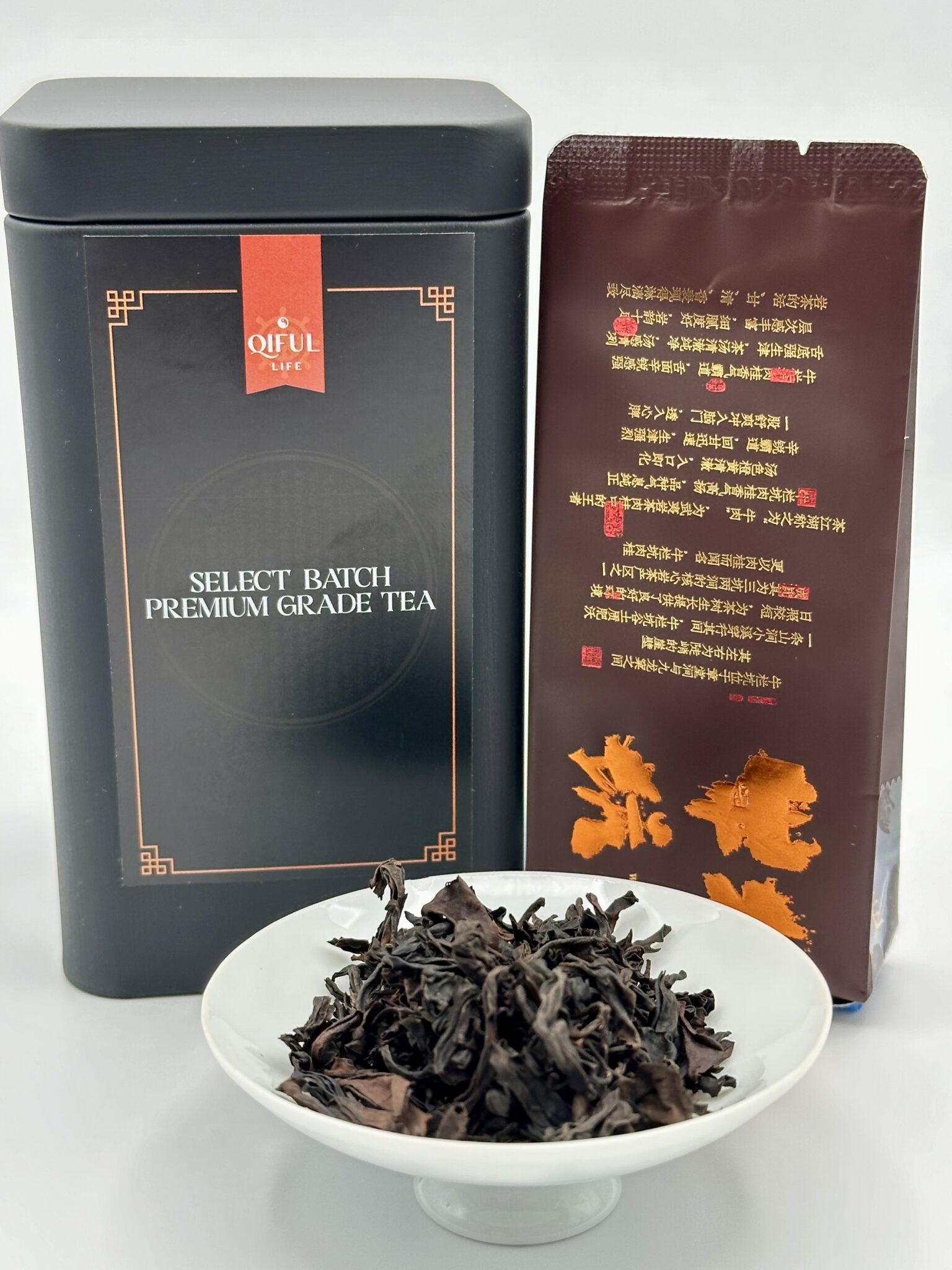
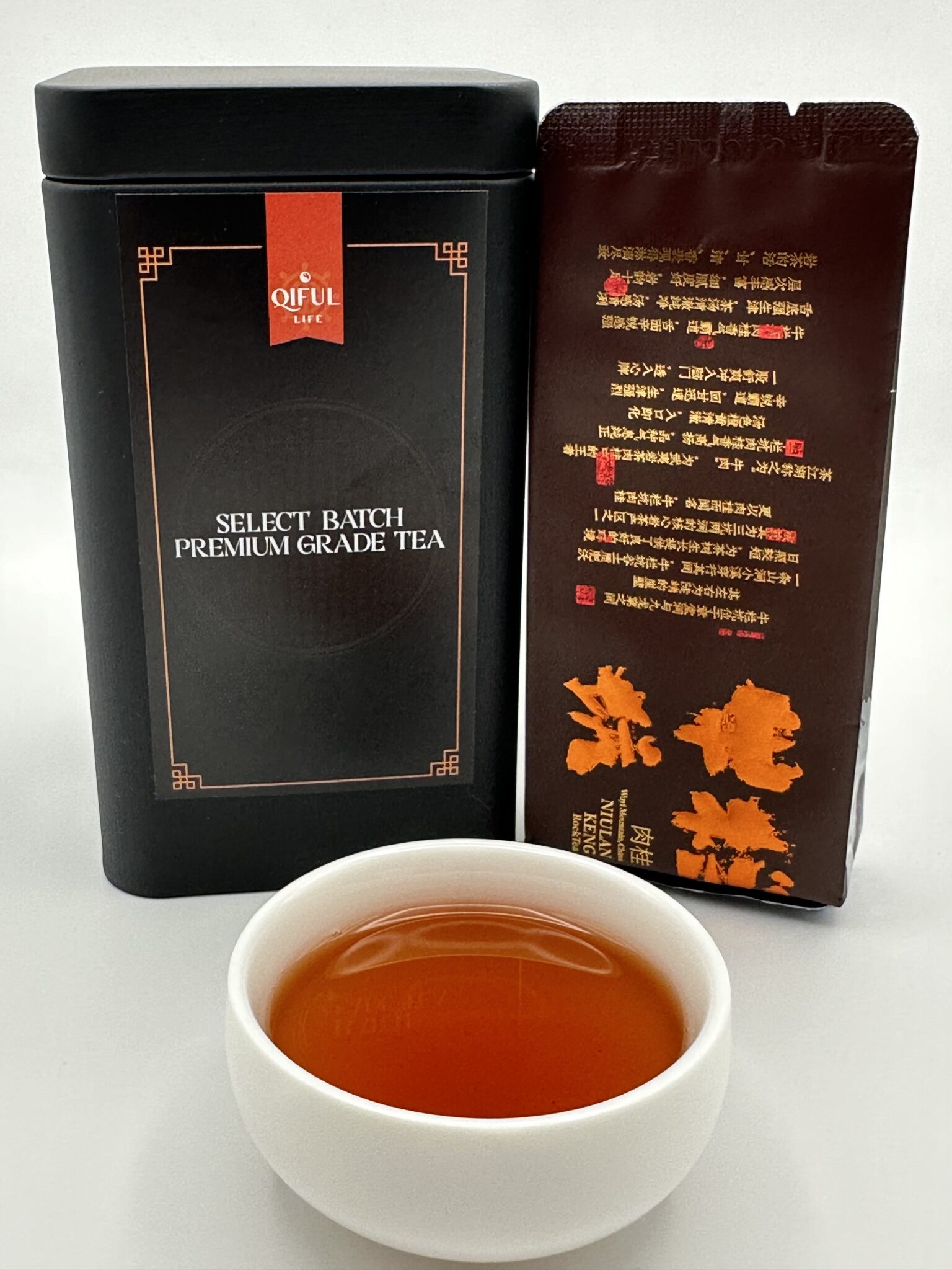
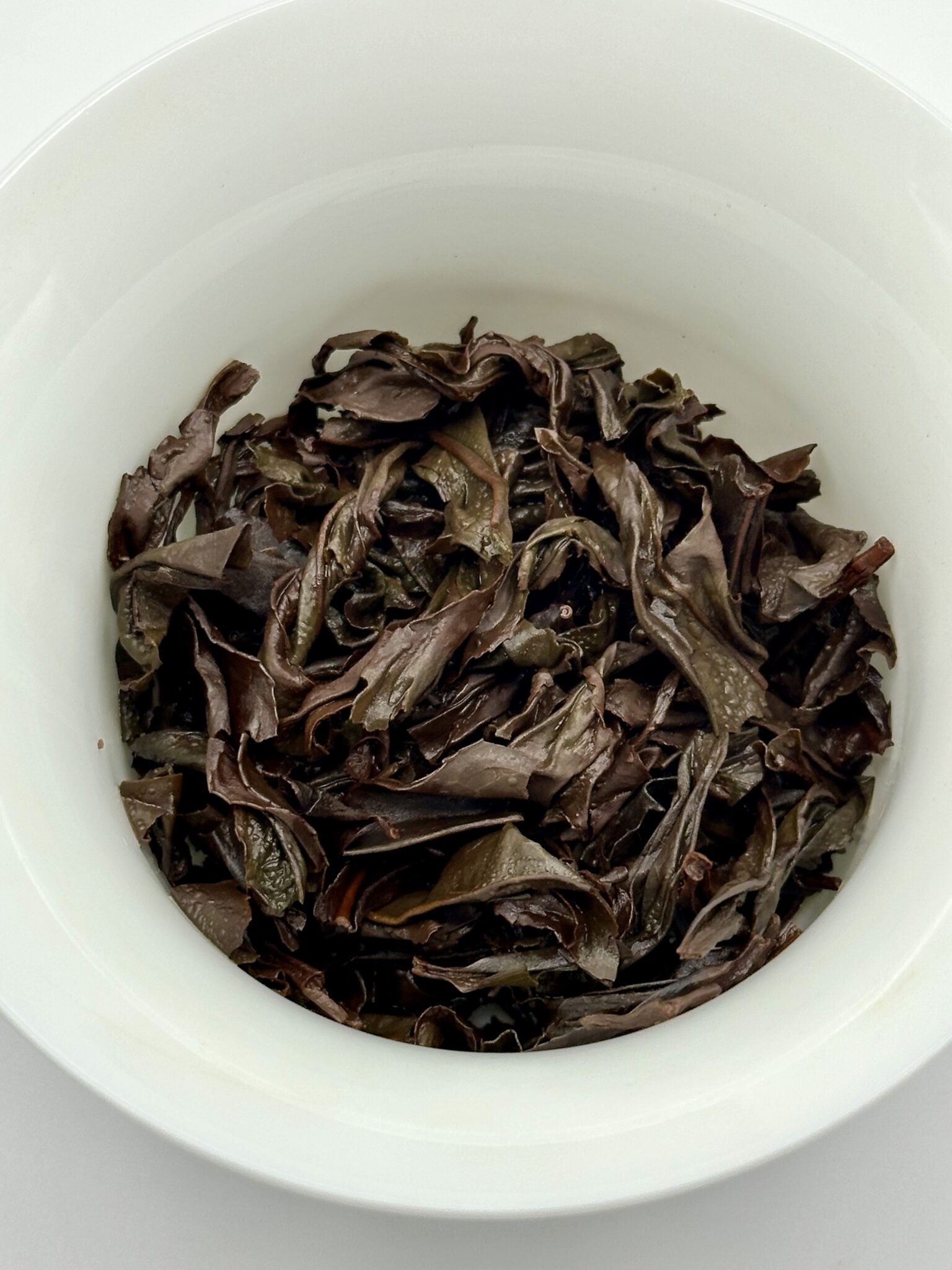
Rou Gui is a premium-grade Oolong rock tea from the Wuyi Mountains in Fujian, China. Renowned as one of the finest Oolongs globally, Rou Gui features complex flavors with a slight spice and a noticeable sweetness.
This selection comes from a private estate in the Niu Lan Keng area of the Wuyi Mountains, known for its rich red clay soil and mineral-rich streams that nourish the tea crops.
Tea masters harvest the tea leaves from an old tea tree farm. However, they only gather small batches at a time, and the selection we have here is one of their most prized productions. Rou Gui Oolong offers exceptional Cha Qi and is the most popular rock tea variety from the area.
- Tea Region: Wuyi Mountains, Fujian, China (Niu Lan Keng area).
- Season: Spring 2026.
- Cha Qi: Strong, comforting Tea Qi.
- Caffeine Level: Low to Mid Caffeine.
- Time of Day to Drink: Morning, Afternoon, or Early Evening.
- Hand-Picked Tea: Yes.
- Forest Tea: Yes.
- Tea Quality: Gourmet level, Competition Grade.
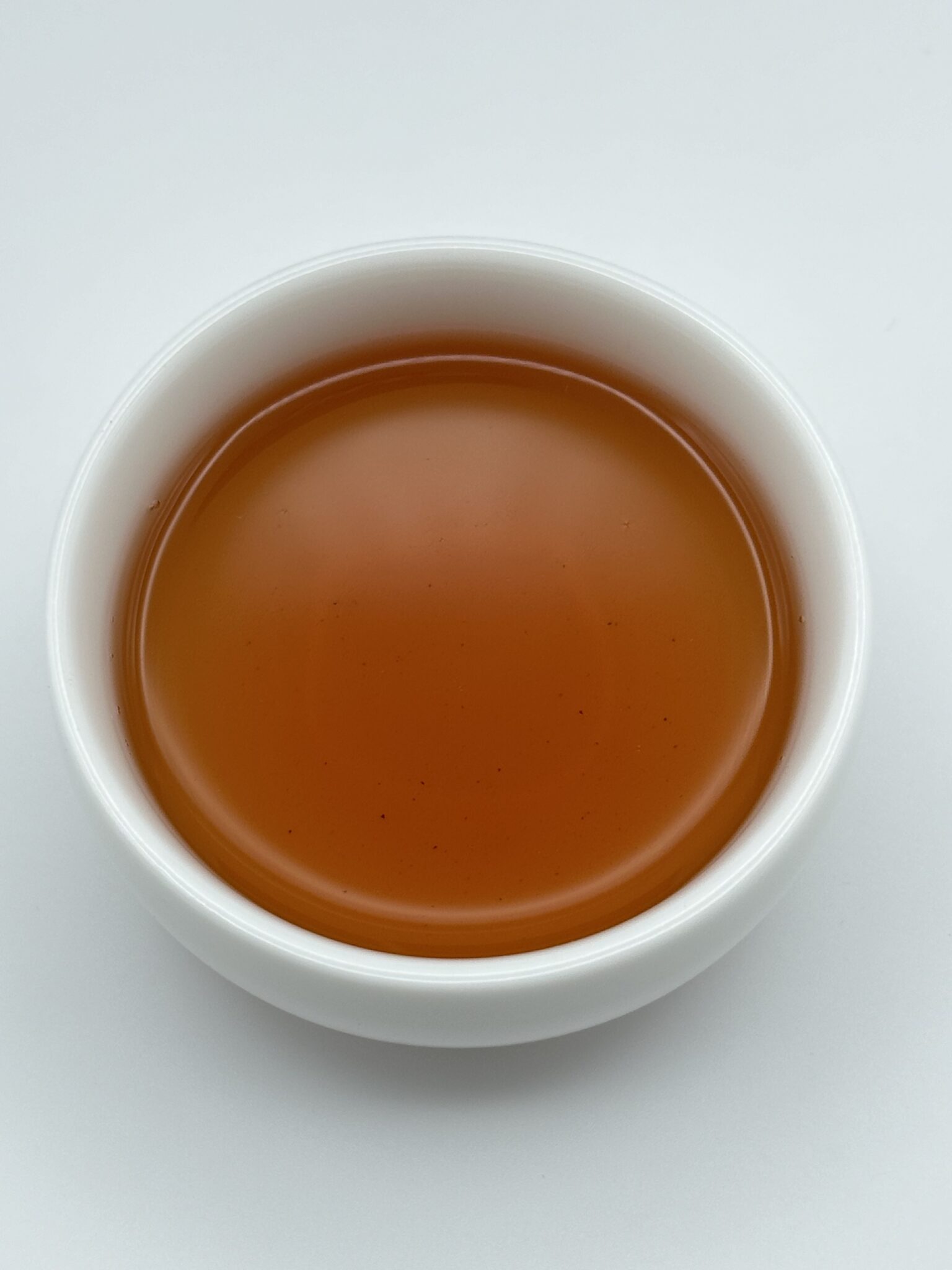
- Flavor: Slightly sweet, with hints of cinnamon, but also a mineral-rich petrichor undertone.
- Single Origin Tea: Yes.
- Tea Steep Method: Use 4-5 grams; steep for 20-30 seconds
- Attributes: Organic, gourmet tea, low acidity.
The UNESCO-protected Wuyi Mountains produce some of the world’s most prized varieties of tea. The leaves that grow here possess a unique mineral composition.
The tea plants cling to the mountains, so over time, they draw minerals from the rock. These compounds impart flavors of cinnamon, while artisan production techniques soften bitterness and create a mellow profile.
First, the Rou Gui tea is harvested during the spring, with pickers selecting mature buds and leaves. Tea masters then dry the leaves in the sun, removing moisture and kick-starting the oxidation process. The leaves are then shaken to bruise them, encouraging oxidation and fermentation while releasing flavorful oils.
Finally, tea masters roll, shape, and then roast the leaves over charcoal. It produces a heavily oxidized tea that, in essence, still relies on traditional methods.
The process is more labor-intensive, but the result is a distinctive Rou Gui tea that complements the minerality.

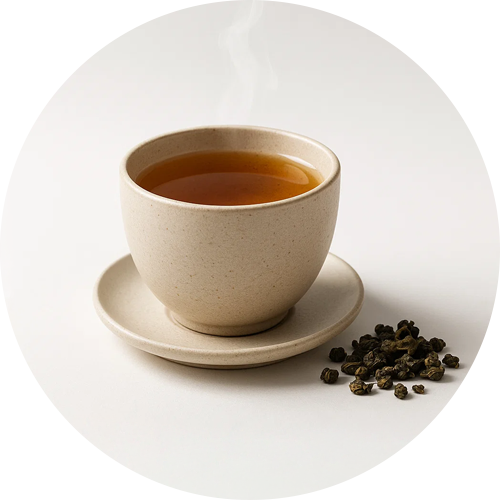 Medium Caffeine
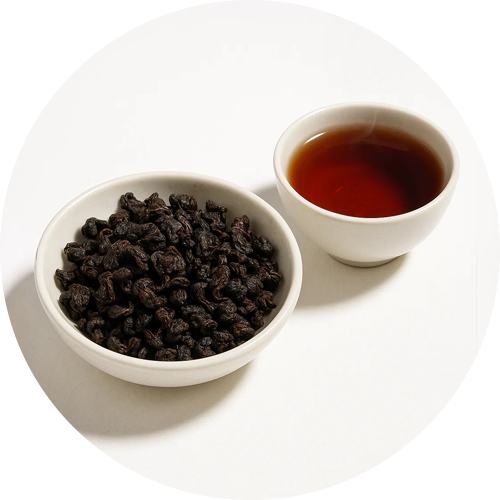 Heavy Roast
 Calm myself
Reviews
There are no reviews yet