Gourmet Tea » Tea Blog » Tea Information » A Guide to Popular Tea for the Winter
A Guide to Popular Tea for the Winter
Cold weather often changes the way people choose and prepare tea. Many tea drinkers prefer dark, roasted, spicy, or floral blends during winter.
Chinese tea traditions often describe these selections as warming. This term comes from traditional Chinese medicine, or TCM. It does not mean that the tea raises the body’s core temperature or treats a health condition.
Popular Teas for Winter
| Winter Tea | Flavor | Caffeine Level |
|---|---|---|
| Black Tea With Huang Qi | Malty, earthy, and slightly sweet | Moderate |
| Black Tea With Sticky Rice | Rich, sweet, and aromatic | Moderate |
| Puerh Tea With Chrysanthemum | Earthy and floral | Moderate |
| Puerh Tea With Rose | Smooth, earthy, and fragrant | Moderate |
| Roasted Oolong | Toasted, nutty, and rich | Moderate |
| Gou Qi Zi Tea | Mild and naturally sweet | Caffeine-free |
| Flower Tea | Floral and calming | Varies |
Black Tea With Huang Qi
Huang Qi is the Chinese name for astragalus root. Traditional Chinese medicine uses this herb to support qi and yang.
Its mild, earthy sweetness pairs well with rich black tea. The blend creates a warming flavor that suits cold mornings and afternoons.
Astragalus can interact with medications and may not suit people with certain autoimmune conditions. Pregnant or breastfeeding people should ask a healthcare professional before using it.
Black Tea With Sticky Rice
Sticky rice adds a soft and sweet aroma to black tea. The combination creates a rich drink with a comforting winter flavor.
Some blends use actual toasted rice. Others use an herb that produces an aroma similar to sticky rice.
Traditional practices may connect this blend with energy and nourishment. However, it does not treat anemia, fatigue, or other medical conditions.
Black tea contains caffeine. Avoid drinking it late in the day if caffeine affects your sleep.
Puerh Tea With Chrysanthemum
Ripe Puerh has a deep and earthy flavor. Dried chrysanthemum adds a light floral note that balances its richness.
Traditional Chinese medicine often describes chrysanthemum as cooling. Pairing it with Puerh creates a blend of contrasting qualities.
Some people enjoy this tea after a heavy meal. However, it does not remove toxins or treat digestive problems.
People with allergies to ragweed, daisies, or related plants may also react to chrysanthemum. Stop drinking it if you notice itching, swelling, or breathing problems.
Puerh Tea With Rose
Rose petals add fragrance and a gentle floral taste to Puerh tea. The blend can feel calming as part of a quiet winter routine.
The aroma may help create a relaxing experience. However, rose tea does not treat anxiety or another mental health condition.
Use food-grade dried rose petals from a trusted source. Decorative flowers may contain pesticides or other treatments that make them unsuitable for tea.
Roasted Oolong Tea
Roasted Oolong tea offers toasted, nutty, woody, or caramel-like flavors. Its full body makes it a popular choice during cold weather.
Oolong naturally contains tea polyphenols, amino acids, minerals, and caffeine. The exact amounts vary by cultivar, growing conditions, and processing method.
TCM may describe darker roasted teas as warming. From a sensory view, the deep aroma and hot brewing temperature create much of this comforting effect.
Roasted oolong still contains caffeine. The amount depends on the leaves, serving size, water temperature, and brewing time.
Gou Qi Zi Tea
Gou Qi Zi is the Chinese name for goji berries. The dried berries create a mild tea with a slightly sweet taste.
Traditional Chinese medicine connects goji berries with the liver, kidneys, and blood. These traditional uses do not prove that goji tea can treat problems with these organs or improve bone health.
How to Prepare Gou Qi Zi Tea
- Rinse a small handful of dried goji berries.
- Place them in a cup or teapot.
- Add hot water.
- Steep for 5–10 minutes.
- Drink the tea and eat the softened berries if desired.
Goji berries can interact with warfarin and some other medications. Ask a healthcare professional before consuming them regularly if you take prescription medicine.
Flower Tea
Jasmine, rose, chrysanthemum, and lavender offer popular floral flavors. You can drink them alone or blend them with traditional tea leaves.
Pure flower infusions are often caffeine-free. However, jasmine green tea, jasmine white tea, and other flower-scented true teas contain caffeine.
Flower teas can create a relaxing evening routine. Their aroma and warm temperature may help you unwind, but they do not treat insomnia, stress, or digestive conditions.
Check the ingredients before brewing. Use only flowers sold for food or tea preparation.
Our Favorite Teas to Consume in the Winter
Ripe Puerh is our first winter choice. TCM describes ripe Puerh as warming, while its dark and earthy flavor makes it comforting in cold weather.
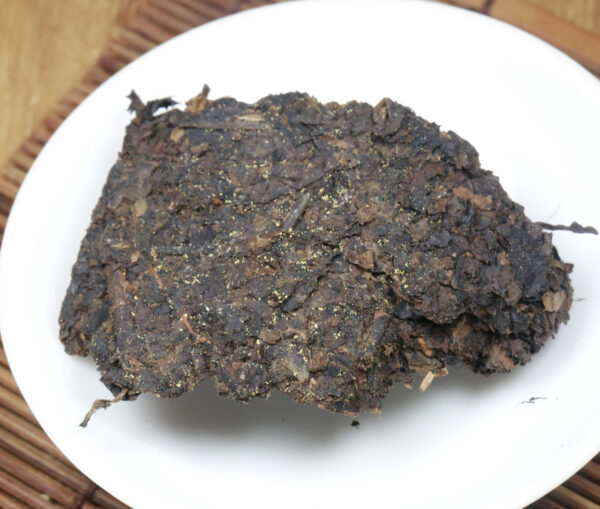
We also enjoy dark teas, or Hei Cha. Tibetan Tea offers one rich and traditional option.
Wuyi Rock Tea provides mineral, roasted, and complex flavors. It works well when we want a bold oolong.
Black Tea is another winter favorite. Its strong flavor and caffeine can provide an extra lift during dark mornings or cold afternoons.
Summary
Many Chinese tea drinkers choose black tea, ripe Puerh, dark tea, and roasted oolong during winter. Their deep flavors and rich aromas often feel better suited to cold weather.
Green tea and lightly oxidized oolong remain valid winter choices. Seasonal tea preferences depend on culture and personal taste rather than a strict rule.
Choose the tea that you enjoy most. Pay attention to caffeine, herbs, medications, and any personal health conditions when creating winter blends.

Alex