Gourmet Tea » Tea Blog » Tea Information » A Guide on How to Brew Tea
A Guide on How to Brew Tea
Wondering how to brew tea? Making an exceptional cup requires attention to detail and practice. Follow these key considerations based on two decades of tea-drinking experience.
Tea Brewing Essentials
| Brewing Factor | General Recommendation |
|---|---|
| Water quality | Use spring, well, or distilled water |
| Water temperature | Adjust the temperature according to the tea type |
| Brewing time | Steep most teas for 20–45 seconds |
| Tea quantity | Use approximately 1 gram of tea per 50–60 ml of water |
| Number of brews | Brew most tea leaves up to three times |
| Mood | Approach the brewing process with a calm, positive mindset |
Quality of the Water
Water provides the foundation for tea. Its source and quality significantly affect the final flavor. Ideal brewing water should come from a spring and taste sweet, clear, flowing, and light. Modern experiments identify spring water, well water, and distilled water as some of the best choices. Tap water generally produces lower-quality results.
Temperature of the Water
Water temperature plays a crucial role in brewing and varies by tea type. Different temperatures draw out specific flavors and aromas.
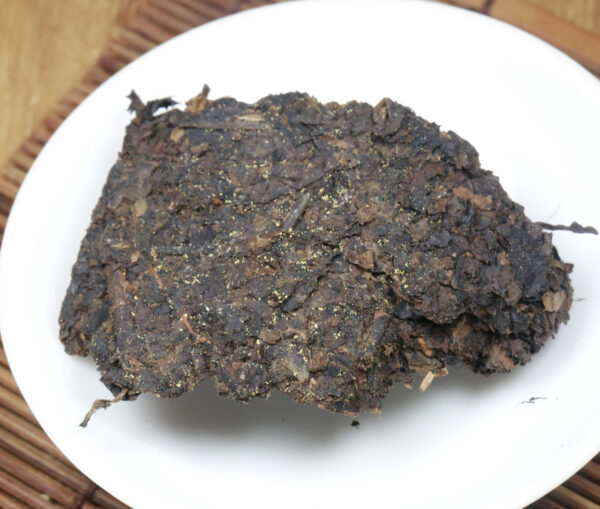
Green teas such as Longjing and Xinyang Maojian brew best at approximately 80°C (176°F). Oolong teas benefit from teaware preheated with boiling water. Black teas often require boiling water, while certain pressed teas, such as brick tea, brew best with water above 100°C (212°F).
Timing
Brewing time depends on the tea type, water temperature, and amount of tea. Black and green teas rank among the most common choices for daily drinking. Use approximately 3 grams of dried tea with 200 ml of boiled water. Cover the cup and steep the tea for 20–45 seconds before drinking. In most cases, the leaves can produce three brews.
Tea Brewing Amounts
The appropriate amount of tea depends on the variety, teaware, and drinker’s preference. Experienced tea drinkers and heavy labor workers may prefer stronger tea, while beginners or people unaccustomed to tea may use less.
As a general guideline, combine each gram of tea with 50–60 ml of preferably boiled water. Different teas require different ratios. When brewing oolong, use approximately twice as much tea as you would for black or green tea and reduce the amount of water by half.
Mood Affects Tea Brewing
The brewer’s mood plays an important role in making good tea. Brewing tea allows people to enjoy its natural spirit while engaging in a dialogue with nature.
A traditional saying states, “One person drinks the tea to get the spirit, two people get the fun, three people get the taste.” A positive mood helps bring out the best in the tea-drinking experience. A tea master once explained that the mind influences how the tea tastes. Consider how your results might differ when you brew tea in a good mood rather than a bad one. Both mind and mood remain crucial to the process.
How to Brew Tea by Type
| Tea Type | Water Temperature | Tea Amount | Brewing Notes |
| Oolong Tea | Approximately 200°F | 3–5 grams | Discard the first pour to remove impurities |
| Green Tea | Approximately 185°F | 3–5 grams | Avoid excessive heat and long steeping times |
| Ripe Puerh Tea | 208–212°F | Not specified | Bring the water close to or fully to a boil |
| Raw Puerh Tea | 202–212°F | Not specified | Use 202–208°F for younger varieties |
| Black Tea | Full boil | 3–5 grams | Use shorter steeping periods to prevent bitterness |
Oolong Tea
Use 3–5 grams of oolong tea and heat the water to approximately 200°F. Pour the water over the leaves and discard the first infusion to remove impurities.
Green Tea
Brew green tea at approximately 185°F. Use 3–5 grams depending on the size of the brewing vessel. Three grams works well in a gaiwan, while larger pots may require 5 grams.
Avoid excessive heat and long steeping times because both can create bitterness. Green tea reacts more strongly to temperature and brewing duration than other tea types, so monitor both carefully.
Puerh Tea
For ripe Puerh varieties, boil the water at 208–212°F. Use a similar temperature for raw Puerh, although younger varieties generally taste better when brewed at 202–208°F.
Black Tea
Bring the water for black tea to a full boil. Boiling water helps release the flavor and aroma created during oxidation. Use 3–5 grams of tea and keep the steeping periods short. Excessive steeping creates bitterness and releases more caffeine.

Alex