
Gourmet Tea » Tea Blog » Tea Information » A Guide to Flower Tea According to Chinese Concepts
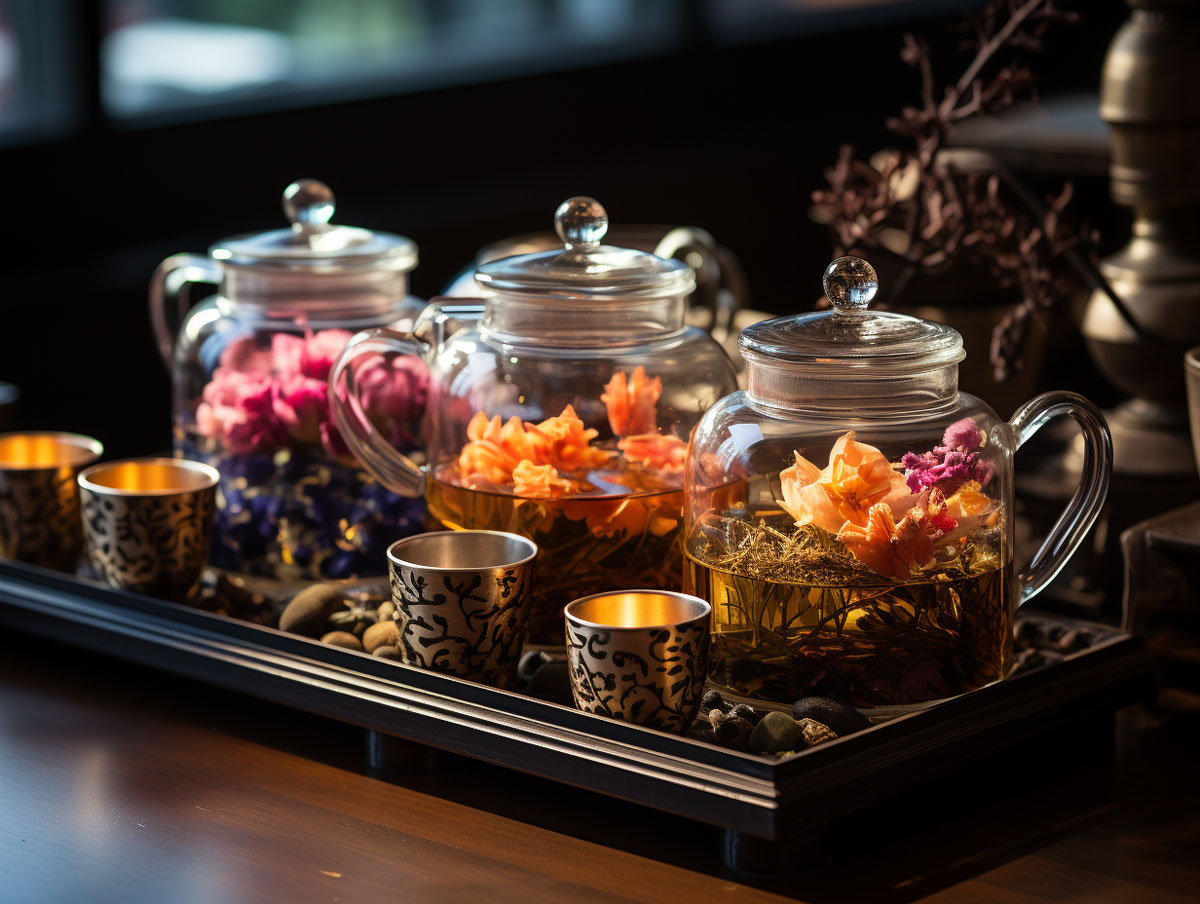
A Guide to Flower Tea According to Chinese Concepts
Flower tea offers various health benefits and refreshing flavors. People particularly favor these teas in spring to help eliminate the chilliness accumulated during winter. According to Chinese concepts, the following flower teas offer unique qualities.
Most Common Flower Teas
Here is a list of some of the most common flower teas.
| Types | Types | Types |
|---|---|---|
| Chamomile Tea | Hibiscus Tea | Jasmine Tea |
| Lavender Tea | Rose Tea | Chrysanthemum Tea |
| Dandelion Tea | Marigold (Calendula) Tea | Peony Tea |
| Osmanthus Tea | Lotus Tea | Linden Flower Tea |
| Elderflower Tea | Honeysuckle Tea | Passionflower Tea |
| Blue Lotus Tea | Butterfly Pea Flower Tea | Saffron Tea |
| Sunflower Tea | Magnolia Tea | Ginger Lily Tea |
| Nettle Flower Tea | Orange Blossom Tea | Peach Blossom Tea |
Popular Flower Tea
Mint Chrysanthemum Tea
Mint chrysanthemum tea combines chrysanthemum with refreshing mint. It nourishes the liver, brightens the eyes, detoxifies, lowers heat, soothes the throat, reduces swelling, and helps resist harmful and radioactive substances.
Jasmine Tea
Jasmine tea offers a quiet, pleasant aroma and helps combat springtime sleepiness. It also regulates stomach function and promotes beauty.
Rose Tea
Rose tea has a mild flavor and contains many vitamins. It supports blood circulation, clears the liver, balances endocrine functions, reduces fatigue, and improves overall well-being.
Lavender Lemon Tea
Many people value lavender for its ability to relieve fatigue and ease stress. Lemon increases urine excretion, aids digestion, promotes blood circulation, and eases headaches. Together, lavender and lemon create a refreshing aroma.
Chrysanthemum Ginseng Tea
Ginseng contains saponins and various vitamins that regulate the nervous system, boost immunity, and combat fatigue. Chrysanthemum helps reduce heat and brighten eyesight. Together, they offer a refreshing effect.
Wolfberry Tea
Wolfberry tea nourishes the kidneys, liver, and lungs. It also enhances eyesight, strengthens the body, and alleviates eye fatigue. It particularly suits office workers who spend long hours in front of computers.
Lemon Tea
Lemon tea helps with phlegm, fatigue, and headaches. Cut a fresh lemon into slices, add one gram of salt, and brew it with hot water. Drink it immediately because it can turn bitter when cold. You can consume it before or after meals without harming the stomach.
These flower teas offer delightful flavors and a range of health benefits, making them a great choice for the spring season.

Alex