Gourmet Tea » Tea Blog » Tea Information » How Green Tea is Made
How Green Tea is Made
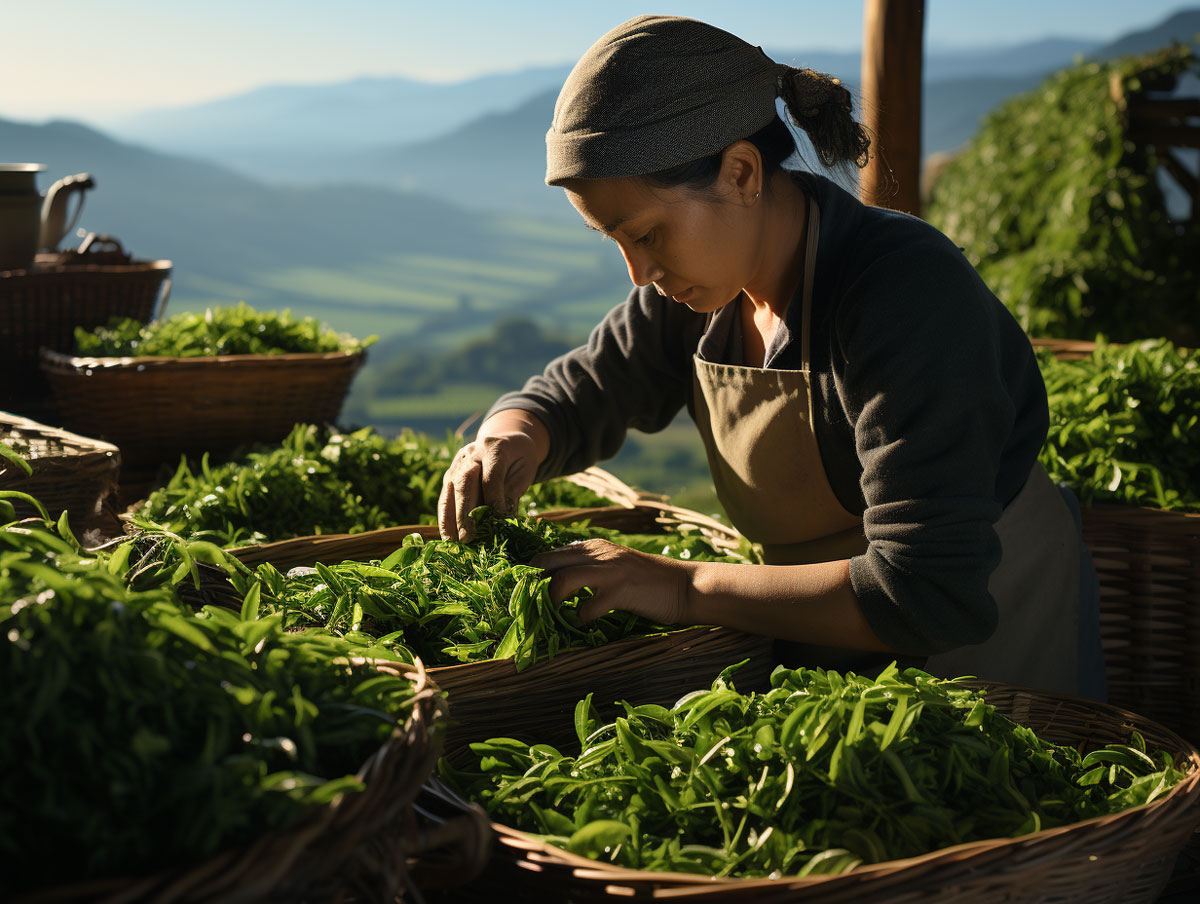
Green tea processing involves several essential steps, including heating, rolling, and drying. Each step influences the quality and flavor of the finished tea. Producers make green tea through four primary stages: plucking, heating, rolling, and drying.
Heating Leaves
Heating represents the most important step in green tea production. It deactivates enzymes in the leaves and prevents oxidation. Proper heating preserves the leaves’ green color and improves their flavor by removing undesirable aromas.
Tea makers commonly steam the leaves or stir them in a hot wok. The tea type and regional tradition determine which method they use. Because heating strongly affects the finished tea’s flavor and appearance, this step plays a central role in determining quality.
Rolling
Rolling shapes tea leaves into curly or twisted forms and intensifies their flavor. Tea makers use cold rolling for fresh leaves after they cool. They use hot rolling for older leaves before the cooling process.
Machines usually handle the rolling process.
Drying
Drying removes moisture, shapes the leaves, and develops the tea’s flavor and aroma. Common techniques include oven-drying, pan-drying, and sun-drying.
Some producers use an oven to reduce moisture before finishing the leaves in a pan. Different regions rely on methods such as baking, frying, air-drying, and sun-drying. This final stage prepares the tea for sale.
Other Thoughts
According to historical records, green tea ranks as the world’s oldest tea. Chinese ancestors collected and sun-dried tea leaves approximately 3,000 years ago. During the eighth century, producers began steaming tea leaves before preparing and selling them.
Tea makers have continued refining these methods as quality standards and demand have increased. Compared with other tea categories, green tea production has undergone relatively few changes.
Tea experts continue to debate the value of modern processing techniques. Some believe traditional methods produce the best green tea. Others argue that machines and modern techniques improve efficiency without damaging tradition.
We believe beginners should initially focus on choosing organic teas that provide health benefits. As their palates develop, they can explore premium teas made through specific preparation methods.

Alex