Gourmet Tea » Tea Blog » Tea Information » A Complete Guide to Wuyi Rock Tea
A Complete Guide to Wuyi Rock Tea
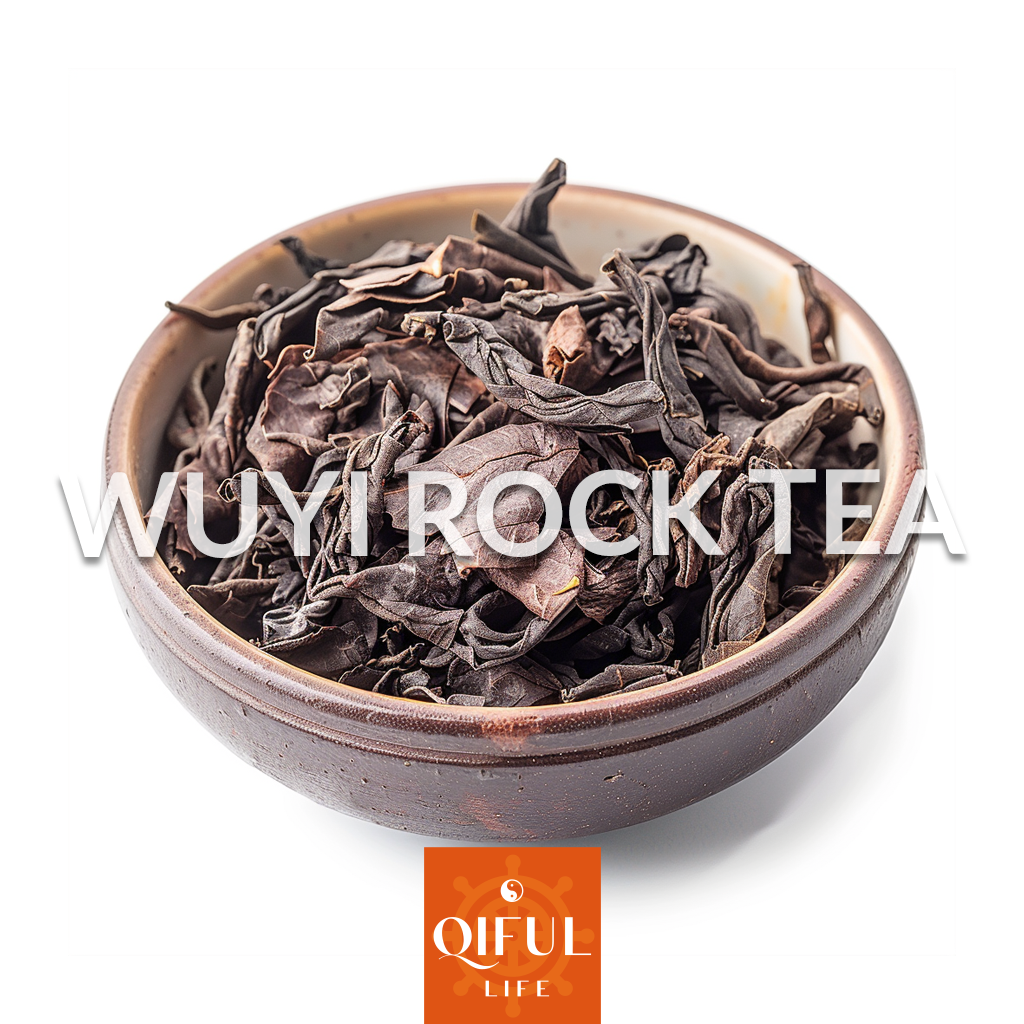
Wuyi Rock Tea comes from the Wuyi Mountains of Fujian. Its name serves as another term for Rock Tea and refers specifically to oolong produced in the region. Chinese tea drinkers also call Wuyi Rock Tea Yan Cha, or Yán Chá (岩茶).
The Wuyi Mountains contain more than 800 Rock Tea varieties. Tea drinkers regard these teas as some of China’s most distinctive and flavorful oolongs, while many connoisseurs consider them the best-tasting oolongs in the world.
Types of Rock Tea From the Wuyi Mountains
| Type of Wuyi Rock Tea | Chinese Name (Pinyin and Simplified) |
| Da Hong Pao | Dà Hóng Páo (大红袍) |
| Shui Xian | Shuǐ Xiān (水仙) |
| Tie Luo Han | Tiě Luó Hàn (铁罗汉) |
| Bai Ji Guan | Bái Jī Guān (白鸡冠) |
| Rou Gui | Ròu Guì (肉桂) |
| Qi Lan | Qí Lán (奇兰) |
| Mei Zhan | Méi Zhān (梅占) |
| Lao Cong Shui Xian | Lǎo Cóng Shuǐ Xiān (老枞水仙) |
| Huang Guan Yin | Huáng Jīn Guān Yīn (黄金观音) |
| Ba Xian | Bā Xiān (八仙) |
What Makes Wuyi Rock Tea So Special?
Mountains
Tea fields grow between the mountains and along their bases throughout Wuyi. This distinctive environment provides mineral-rich soil, mountain streams, and abundant rainfall.
Soil Composition
The Wuyi Mountains rank among the world’s least acidic tea-growing regions. Mineral-rich red clay produces tea with alkaline qualities that many drinkers find gentle on the stomach. The soil also contributes to the tea’s rich, mineral-like flavor.
Water Flow
Natural mountain streams flow into many of the region’s tea fields. Local residents drink directly from these streams. The water originates high in the mountains, far from roads and other sources of pollution.
Moss
Healthy moss grows on the stems of tea trees throughout the region. Local farmers say that the purity of this moss enters the stems and leaves and contributes to the tea’s clean character.
Wuyi Rock Tea Types
The three most popular Rock Teas from the Wuyi Mountains include Da Hong Pao, or Big Red Robe; Tie Luo Han, or Iron Monk; and Rou Gui, or Cinnamon.
Big Red Robe
Da Hong Pao, also known as Big Red Robe, ranks as the most famous tea from the Wuyi Mountains. This lightly to moderately oxidized oolong ranges from low-grade to exceptionally premium selections. The finest varieties grow deep within forest environments and typically come from old tea trees. Producers make lower-grade selections from tea trees under two to three feet tall and harvest them by machine.
Iron Monk
Iron Monk provides a heavily oxidized oolong with dark amber and slightly purple coloring. Old tea trees help most Iron Monk selections develop their complete flavor and aroma. This variety produces a particularly strong returning sweetness.
Rou Gui
Local tea drinkers prize Rou Gui above other Rock Tea varieties. Although Da Hong Pao attracts greater recognition, Rou Gui offers greater flavor complexity and presents more cultivation challenges. Its layered notes of spices, cinnamon, and fruit make it one of the world’s most distinctive oolongs.
Although the Wuyi Mountains produce many other varieties, most farmers focus on these three because of their range of flavors, popularity, and production consistency. Qi Lan and Lao Shui Xian also remain popular among local tea drinkers.
Growing Regions Within the Wuyi Mountains
Niulankeng ranks as the most renowned growing area in the Wuyi Mountains. Although the region contains dozens of major tea developments, farmers and tea drinkers covet Niulankeng above the others. Its location in the far western mountains places it farther from roads, hotels, and other development. As a result, the area supports some of Wuyi’s lushest and healthiest crops.
During our visit, the deep green landscape impressed us even when compared with other healthy growing areas in the mountains. Niulankeng contains some of the region’s oldest tea trees and has earned particular recognition for Rou Gui.
The Development of Yan Cha in the Wuyi Mountains
In recent years, farmers have started producing Lapsang Souchong in the region. Unlike traditional Lapsang Souchong, this Wuyi Mountain black tea offers low acidity and a highly fragrant character. Rather than providing a smoky flavor, it produces fresh, slightly sweet, and highly fragrant high-mountain notes. In our opinion, it ranks among the world’s most underrated black teas.
This development has not expanded the Rock Tea classification to include black tea. Rock Tea continues to refer specifically to oolong from the Wuyi Mountains, despite efforts to grow other tea categories in the region.
Other Information on the Wuyi Mountains
The Legend of Da Hong Pao
According to legend, a scholar fell ill while traveling past Mount Wuyi on his way to the capital for an examination. A monk from the nearby Tianxin Temple welcomed him and gave him tea as medicine. The scholar recovered, continued to the imperial examination, and earned its highest certification.
To express his gratitude, the scholar returned to Mount Wuyi and placed his royal red robe over the tea tree. This act gave the tea its name, Da Hong Pao, or Big Red Robe.
Da Hong Pao can also signify thanksgiving and prayer. The legend helped establish Mount Wuyi traditions involving praising, worshipping, offering, and serving tea.
Other Information
During our visit to the Wuyi Mountains, we found the following information at the park:
“At 27 degrees north latitude, restricted biological zones appear throughout the Earth’s ecosystem. Mount Wuyi National Park, which occupies the same latitude, contains the world’s most representative, largest, and best-preserved mid-subtropical native forest ecosystem at that latitude. It serves as a key area for global biodiversity conservation. The park’s stones display Mount Wuyi’s biodiversity and the progression from lower to higher plant communities—from lichen and moss to herbaceous and woody plants. This record has earned the area recognition as a textbook and living fossil of biological evolution.”
Frequently Asked Questions
What Does Wuyi Rock Tea Taste Like?
Wuyi Rock Tea ranges from moderately oxidized tea with mineral flavors and returning sweetness to heavily oxidized tea with deep, bold flavors. Every variety contains mineral notes, and the soil’s low acidity produces tea that many drinkers find gentle on the stomach.
High-quality Rock Tea should stimulate saliva production, which tea connoisseurs consider a positive characteristic in gourmet tea. This phenomenon appears particularly distinctive in Wuyi because mountain streams flow throughout the growing region.
A Step-by-Step Guide to Experiencing Wuyi Rock Tea
Although tea drinkers consider Rock Tea one of China’s and the world’s most premium oolongs, the category also includes lower-grade selections. Some farmers prioritize volume and lower prices to increase revenue. Taste teas from several farmers and learn about their crops before evaluating quality.
Good Wuyi Mountain Yan Cha should possess strong Cha Qi. When people drink it, they may feel energy from the leaves, stems, and soil circulate throughout the body. Tea culture describes this phenomenon as Cha Qi.
Look for selections from Niulankeng or Matou. Local tea drinkers regard both areas as pristine growing environments.

Alex