Gourmet Tea » Tea Blog » Tea Information » A Complete Guide to Cha Qi & Tea Drunk
A Complete Guide to Cha Qi & Tea Drunk
Cha Qi translates as “Tea Qi” or “Tea Energy.” The term describes the Qi found in tea. “Cha” means “tea” in Chinese, while “Qi” means “energy.” Tea drinkers typically use Cha Qi to describe tea that produces good energy during consumption. Teas with exceptionally strong Cha Qi can produce an effect known as Cha Zui, which literally means “Tea Drunk.”
In this article, we will cover:
- Understanding Qi in Food and Drink
- How Cha Qi is Produced
- Teas that have the Best Cha Qi
- The concept of Cha Zui also known as “tea drunk.”
The Concept of Qi in Food and Drink
Most Western readers find the concept of Qi unfamiliar. Before exploring Cha Qi, readers must first understand Qi itself. At its simplest, Qi means “energy.”
Tea and food need to grow organically and remain free from pollutants to develop healthy Qi. These conditions allow crops to grow in accordance with nature and absorb nutrients from their surrounding environment.
How Cha Qi Is Produced
Tea crops naturally develop Cha Qi when they grow in healthy environments. Small-batch farms in remote areas typically provide these conditions. Tea trees that reach at least 50 to 60 years of age also tend to produce batches with strong Tea Qi.
A tea tree’s long life reflects the quality of its environment. Producers use old tea trees to create new harvests each year, so good Qi does not only come from aged tea. Instead, it typically comes from old tea trees.
Large brands rarely produce tea with good Qi. Their crops often grow in lower-quality environments near cities, roads, and other polluted areas. These producers also use young tea trees, as their limited height often demonstrates.
Machines harvest many of these crops, which can damage the stems and roots. This damage influences the nutrients and overall health of the tea crop.
Teas That Have the Best Cha Qi
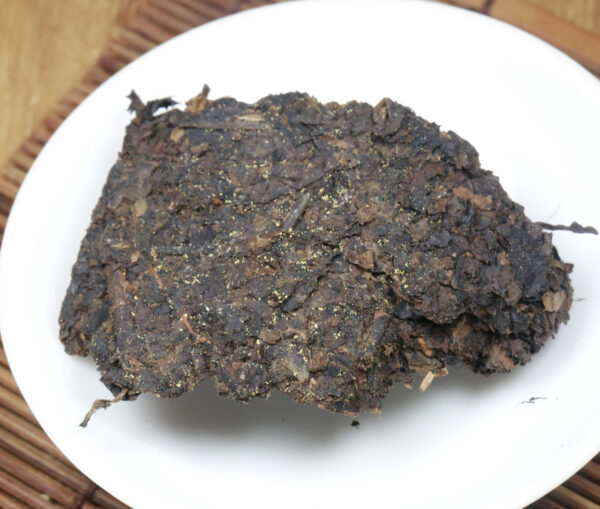
Puerh tea produces the strongest Tea Qi. Aged Puerh teas over 40 years old tend to have the most apparent Qi. Raw Puerh typically offers the best Tea Qi because producers do not cook it like ripe Puerh. Overall, aged Puerh produced before the 1990s tends to deliver the most noticeable Qi.
Annual harvests from old tea trees can also produce good Qi. Examples include black teas from Yunnan and rock teas from the Wuyi Mountains. Privately owned estates can produce annual Puerh harvests with good Qi as well. However, the growing popularity of Puerh has made these teas increasingly difficult to find as farmers shift from quality toward mass production.
Taiwanese oolong and black teas can also produce good Tea Qi, particularly those from Fushoushan and Shanlinxi. The growing popularity of bubble tea has changed Taiwanese tea quality over the years as farmers increasingly support production for larger bubble tea brands.
The Concept of Cha Zui, Otherwise Known as “Tea Drunk”
Anyone in the tea world who has tasted aged or high-quality tea has probably experienced some form of intense Cha Qi, also known as “Tea Drunk.” In all honesty, “high” may describe the sensation more accurately than “drunk,” but that is neither here nor there.
Simply put, drinking tea with strong Cha Qi can heighten the senses and create intoxicating sensations despite the absence of illegal substances.
Some tea experts attribute Cha Zui to concentrated GABA or L-theanine, the two main components that create tea’s relaxing effects. Other experts believe that polyphenols, alkaloids, polysaccharides, and organic germanium contribute to the experience.
Tea farmers may explain it differently: “Cha Qi is the natural reaction to consuming nutrients in their purest form. The stems and leaves absorb these nutrients before they make their way into the tea.”
Cha Qi Observations
Generally, older tea produces stronger Cha Qi because fermented and oxidized teas undergo nutrient transformations over time. Properly stored tea leaves can harness this energy.
Not every aged tea produces strong Tea Qi, although teas without it remain relatively rare. Before the 1990s, tea-growing regions such as Yunnan and the Wuyi Mountains had fewer pollutants and less exposure to modern development. As a result, most teas from that period naturally offer good Qi.
Aged oolong teas typically do not produce strong Qi. We do not have a firm explanation, but we speculate that the combination of oxidation and aging causes this difference. Based on our experience tasting oolongs aged from 20 to more than 100 years, we rarely encounter varieties with good Qi. Aged oolongs that undergo multiple wood firings produce the most prominent Qi.
FAQ: What Does Tea Drunk Feel Like?
Tea Drunk can create several sensations, including increased warmth and tingling throughout the body. The mind may also experience heightened awareness, clarity, and focus.
Tea with exceptionally strong Qi tends to flow naturally toward the areas where the body craves it most. The experience remains entirely safe and does not come from harmful components.
Step-by-Step Guide to Acquiring Tea Drunk Teas
Start by choosing a reputable tea provider and asking whether it carries teas with good Qi. At Qiful Life, we created a special category of Cha Qi teas for this purpose.
Next, learn about the source of the tea. Determine where the tea comes from and whether small-batch providers produce it. Make sure the crops do not come from the large batches that major brands commonly use.
Finally, consider investing in aged tea. Although aged teas cost more, varieties such as aged Puerh often provide good Tea Qi.

Alex